Vaca Muerta is the most consequential single investment story in Argentina — and one of the most significant unconventional energy opportunities anywhere in the world. Understanding what it is, why it matters, and how to conduct a productive site visit requires a briefing that goes beyond the headline numbers.
What Vaca Muerta Is
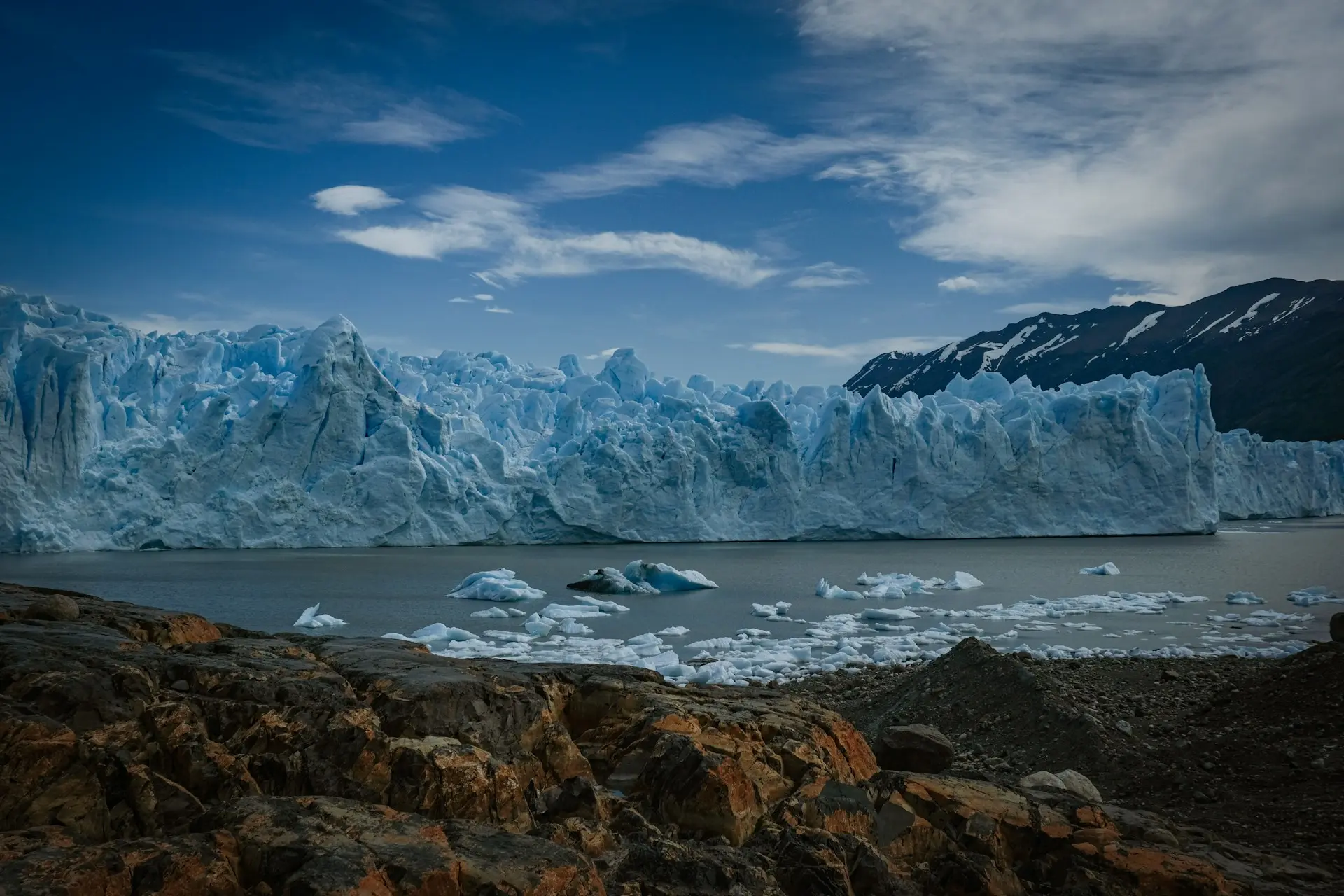
Vaca Muerta — literally "Dead Cow" in Spanish, named after a 19th-century geological survey — is a shale formation in the Neuquén Basin of northwestern Patagonia, covering approximately 30,000 square kilometres. It is among the largest unconventional oil and gas reserves outside the United States, and it has been in active development since 2010, with production accelerating dramatically in the 2020s.
Oil production from Vaca Muerta has grown enormously over the past decade, and gas production has risen in parallel. Argentina has moved from being a chronic energy importer to a net energy exporter, and the Vaca Muerta formation is the primary driver of that shift. The pace of this growth is precisely why the ground logistics matter: much of the activity that visiting executives want to see is recent construction — camps, pipelines, and processing facilities that did not exist a few years ago and are not yet on every map or GPS system, which is one reason a local fixer familiar with the current state of the field is worth more here than in most other energy basins.
The investment thesis is straightforward: a world-class unconventional resource, now in proven production, with infrastructure investment accelerating and a regulatory environment that has shifted decisively in favour of foreign capital under the current government. The Argentina-specific risk — political and currency volatility — has reduced materially since 2023, though it has not disappeared.
The Investment Sectors Within Vaca Muerta
Vaca Muerta is not a single investment opportunity — it is an ecosystem of related opportunities across the energy value chain.
Upstream (exploration and production): The acreage plays, the shale wells, the production growth story. This is where the energy-sector strategics and infrastructure funds with technical underwriting capability are most active.
Midstream (pipelines and processing): The Vaca Muerta Sur Oil Pipeline, a major infrastructure project that began construction in early 2025, is the most visible midstream development, running from the basin toward the Atlantic coast at Punta Colorada. Construction sites along the route are active worksites in remote terrain — visiting them means coordinating with the operator well in advance for access clearance, safety inductions, and appropriate footwear and protective equipment, and building in extra driving time because the access roads are unpaved and not always signposted.
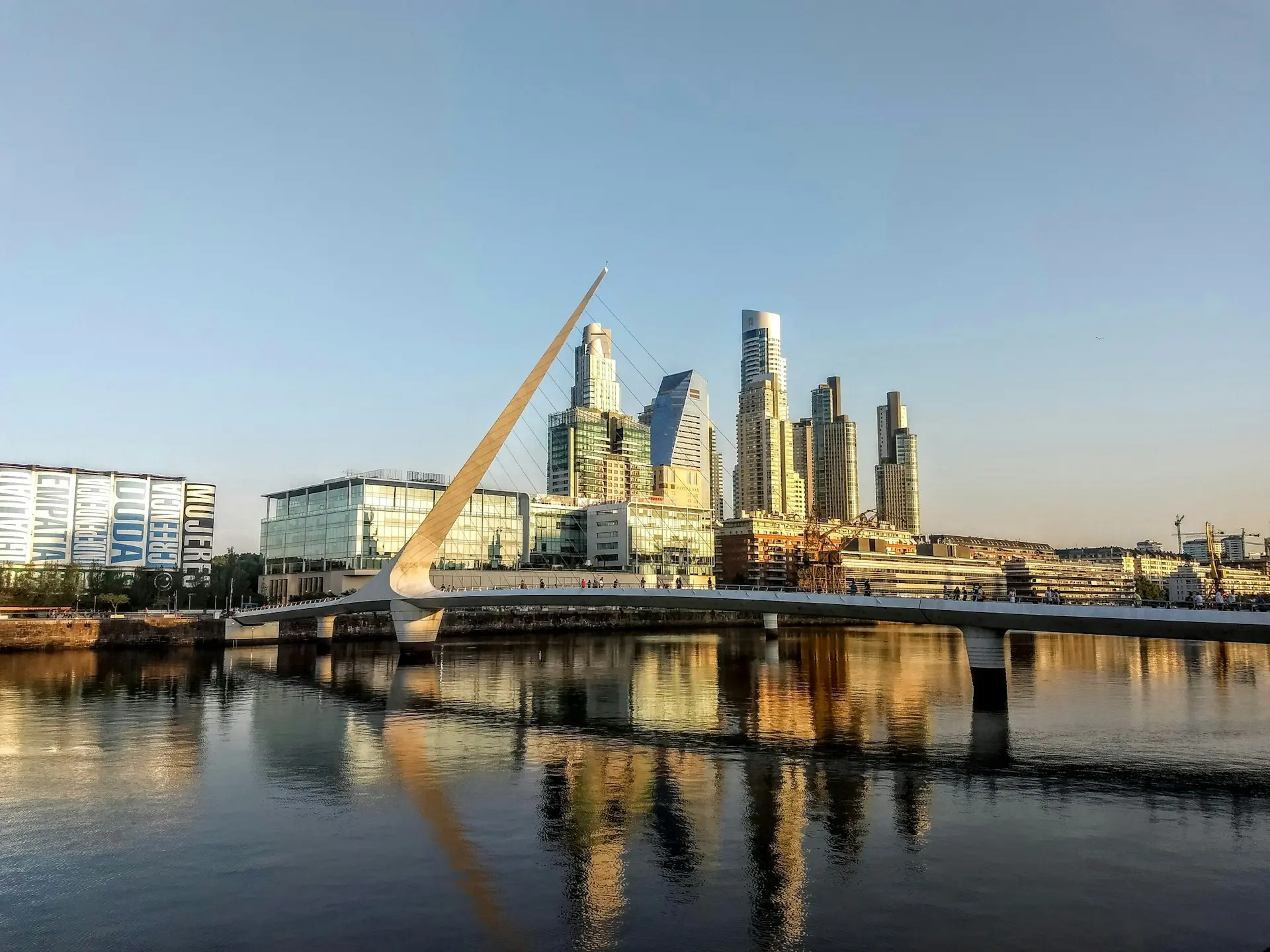
LNG export infrastructure: The Argentine government has fast-tracked LNG terminal development as the next frontier for energy exports, with first exports targeted for the coming years. This is attracting a different investor and technical-visitor profile — infrastructure funds and gas-market specialists whose visits typically combine a Buenos Aires briefing leg with a coastal site visit, which adds a further domestic flight or a long drive to the itinerary and should be planned as its own leg rather than an add-on to a Neuquén trip.
Services and technology: The shale services ecosystem in Neuquén — drilling companies, completion specialists, logistics providers, water management — represents a substantial supporting market for the upstream growth.
How to Structure a Vaca Muerta Investment Visit
A productive Vaca Muerta due diligence visit typically involves Buenos Aires and Neuquén, and occasionally San Martín de los Andes or Zapala for specific operator meetings. The standard structure is:
Day 1–2: Buenos Aires — meetings with investment banks, law firms, and financial advisors with Vaca Muerta expertise. The regulatory and deal-flow briefing happens here, with the professionals who structure and advise on transactions.
Day 3–4: Neuquén city — the provincial capital and operational hub of the Vaca Muerta ecosystem. Meetings with operators, provincial government representatives, and the local professional community. Fly Buenos Aires to Neuquén (JNI) — approximately 1.5 hours.
Day 5: Field visit — site visits to producing assets, infrastructure under construction, or processing facilities, depending on the investment thesis. These require advance coordination with operators and specific ground logistics.
Day 6: Return Buenos Aires — debrief meetings and departure, or extension into a broader Argentina visit.
Our investor support services are built specifically around this visit structure — coordinating the Buenos Aires professional meetings, the Neuquén logistics, the domestic flights, interpreters where needed, and field visit access.
The Regulatory Backdrop and Getting the Right Meetings
Argentina's Incentive Regime for Large Investments (RIGI) provides fiscal and legal incentives for qualifying large-scale investment projects, including long-term legal stability guarantees, access to foreign exchange markets for repatriation of profits, and reduced export duties. It has drawn a multi-billion-dollar pipeline of proposed projects and is one of the clearest signals of the current government's commitment to the investment cycle. The specific thresholds and terms are technical and change with implementing regulation, so they should be confirmed with Argentine legal counsel rather than treated as fixed — our role is simply to make sure your Buenos Aires schedule includes time with the right law firm before you head south.
Understanding RIGI in the context of a specific investment structure requires Argentine legal counsel — our role is to ensure you are connected to the right professionals and that your visit is structured to cover the regulatory questions alongside the operational ones.
Arrange Your Argentina Business Visit with our concierge team.
This article is editorial and informational only and does not constitute legal, financial, or investment advice.