Argentina holds one of the largest lithium endowments in the world — widely considered the second-largest national reserve after Chile — concentrated in one of the most geologically distinctive environments on earth: the high-altitude salt flats of the Puna in Jujuy and Salta provinces, between 3,500 and 4,000 metres above sea level. That altitude and remoteness is the defining fact for anyone planning to visit, and it shapes almost every logistical decision in this guide.
Understanding the Argentine lithium opportunity requires understanding both the geology and the geography — and the logistics of a site visit to the Puna are significantly more specific than most mining investors expect.
The Argentine Lithium Advantage
Argentine lithium is predominantly in brine form — lithium-rich saltwater trapped in subsurface aquifers beneath the salt flats (salares). Brine operations have different characteristics from the hard-rock lithium of Australia and the Atacama salt flat operations of Chile: lower energy intensity in extraction, but longer evaporation timelines and specific environmental considerations around water use in a high-altitude desert ecosystem.
The Jujuy and Salta provinces host the majority of active and development-stage operations. The Lithium Triangle — the area where Argentina, Chile, and Bolivia meet — contains the largest concentration of lithium brine resources in the world.
The Investment Landscape
Mining majors have made significant commitments. Rio Tinto, Lundin, and Glencore have all announced major projects in Argentina's lithium sector. The RIGI investment incentive framework provides legal stability and foreign exchange access for qualifying investments — critical for a sector where project timelines extend over decades and political risk has historically been a primary concern.
Recent environmental legislation affecting some northern projects has added a regulatory consideration for certain concessions — understanding the specific implications requires Argentine mining legal counsel, not generic market analysis, and is a good reason to build a Buenos Aires legal meeting into the itinerary before heading north.
Structuring a Lithium Investment Site Visit
A productive lithium due diligence visit to Argentina's Puna requires more logistical planning than most other investment site visits.
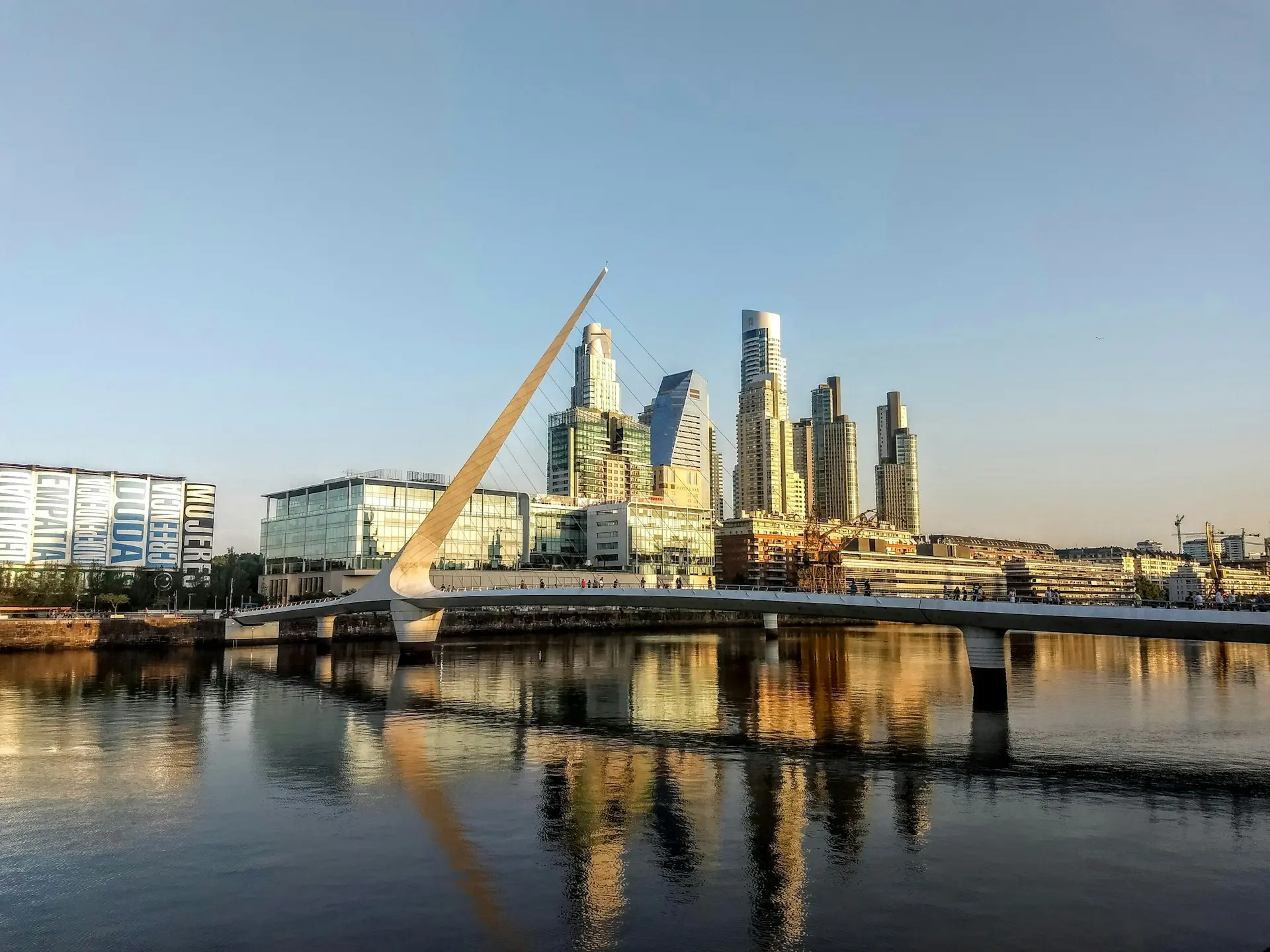
Buenos Aires remains the starting point — for meetings with mining law firms, investment banks with lithium coverage, and the Buenos Aires offices of operators with Puna assets. Allow two days.
Jujuy city (San Salvador de Jujuy) is the gateway to the Puna — approximately two hours by air from Buenos Aires. The provincial government maintains an active relationship with foreign mining investors, and a meeting with the provincial mining secretariat is standard due diligence for any Puna investment.
The Puna operations are typically one to two hours by 4x4 from Jujuy city, at altitudes of 3,500–4,000 metres. Acclimatisation is a real consideration — arriving in Jujuy and proceeding directly to a salt flat at 4,000 metres the following morning is manageable for most visitors but requires awareness. We brief all investors on altitude considerations before the visit.
Field visit logistics — the salares are remote by definition. Access requires 4x4 vehicles, local guides familiar with the terrain, and coordination with the operator for site access. Safety protocols for high-altitude operations apply.
Our investor support services coordinate the full Puna visit — Buenos Aires meetings, Jujuy flights and accommodation, 4x4 ground transport, field access coordination, and interpreter support for government and operator meetings.
Arrange Your Argentina Business Visit with our team.
This article is editorial and informational only and does not constitute legal, financial, or investment advice.