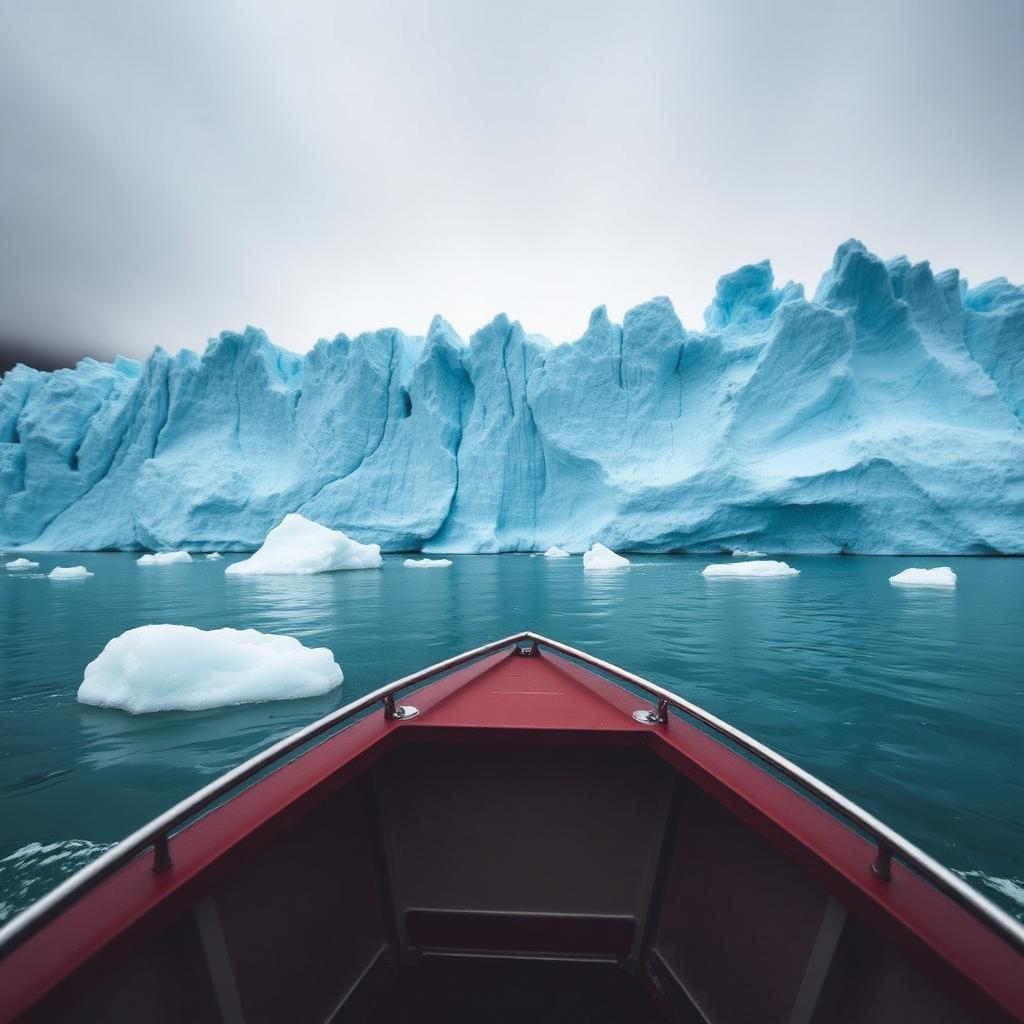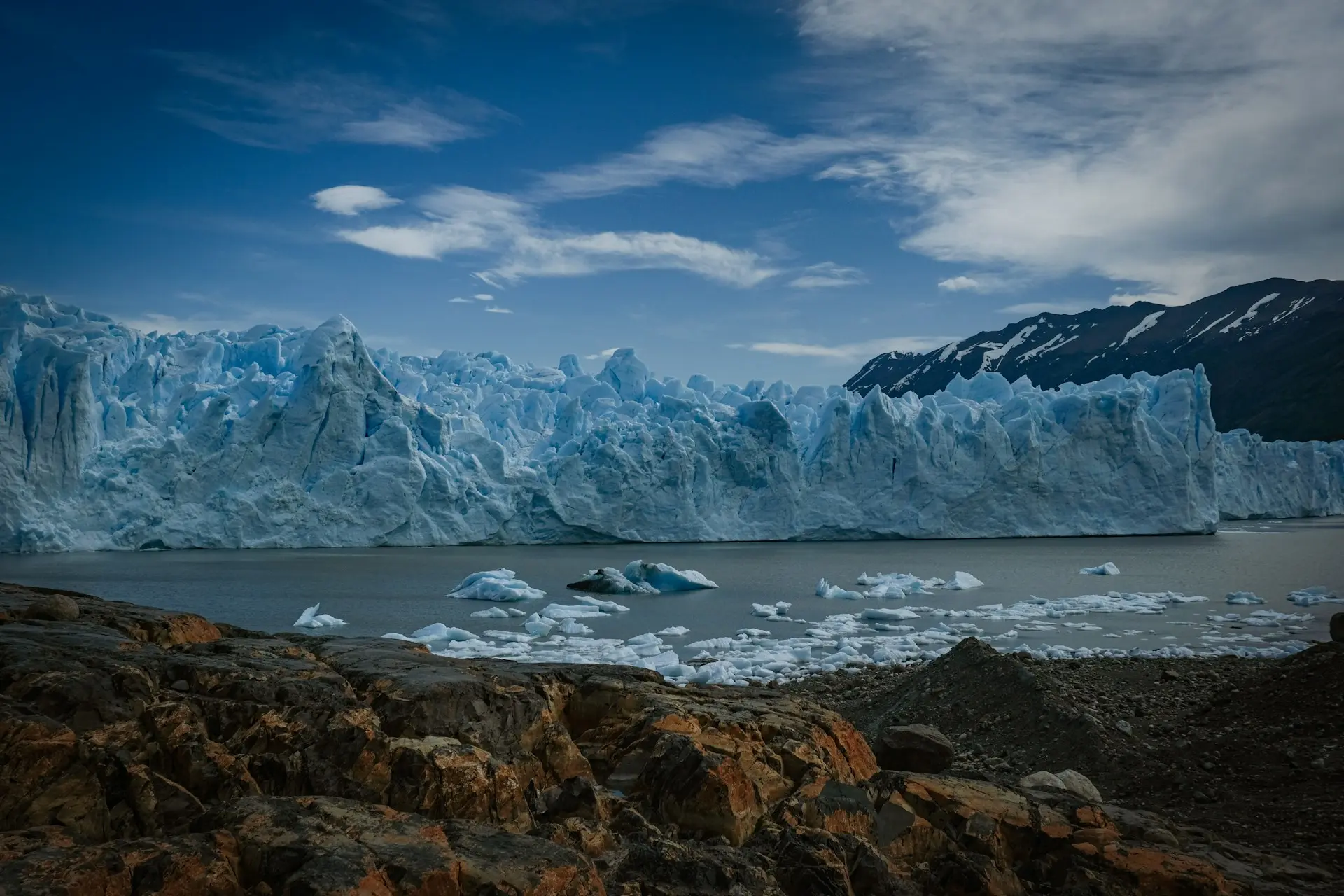
Argentina is one of the most rewarding countries in the world to visit — and one of the most complex to plan well. It is vast: the country spans almost forty degrees of latitude, from the subtropical jungle of Iguazú in the north to the sub-Antarctic channels of Ushuaia in the south. It is diverse: the landscapes, climates, and cultures of Buenos Aires, Patagonia, the northwest, and the wine country are different enough that visiting all of them in a single journey requires genuine planning. And it rewards the traveller who arrives informed.
This guide covers what you need to know before you arrive: entry requirements, when to go, safety, money, and what to pack. It's written for travelers planning a private, fully-arranged trip. If you're comparing this against a budget backpacking route through South America, it's not that — it's for a different kind of traveler entirely.
In this guide: Visa and Entry · When to Go · Flights · Safety · Money · What to Pack · Tipping and Customs · Best Destinations · Quick Answers
Visa and Entry Requirements
Citizens of the United States, Canada, the United Kingdom, the European Union, Australia, and New Zealand can enter Argentina for tourism without applying for a visa in advance. Stays of up to 90 days are permitted, per Argentina's Ministry of Foreign Affairs. The same policy is confirmed by the official Argentina national tourism board.
Check your passport's expiry date before booking. Most entry requirements worldwide call for at least six months of validity remaining, and we confirm the current specific requirement as part of every trip we plan. An extension beyond 90 days is possible in person within Argentina. This is rare for the kind of trip we design, which typically runs one to three weeks.
If your nationality isn't on the visa-exempt list, check with your nearest Argentine consulate well before booking flights. Visa processing for non-exempt countries can take several weeks.
When to Go: Argentina Has No Single Season
The most common mistake in Argentina travel planning is treating the country as having one season. It doesn't. The best time to visit depends entirely on which regions you are prioritising.
| Region | Best Months | Why |
|---|---|---|
| Buenos Aires & Mendoza | Sep–Nov, Mar–May | Mild temperatures, summer crowds gone |
| Patagonia (trekking/wildlife) | Dec–Feb | Peak season; Oct–Nov and Mar–Apr are quieter shoulder months with excellent light |
| Bariloche (skiing) | Jul–Sep | Ski season at Cerro Catedral |
| Salta & Jujuy (the northwest) | Apr–Oct | Dry season; clearest mountain light |
| Iguazú Falls | Year-round | Most voluminous after the Nov–Mar rainy season, most accessible in the dry months |
Buenos Aires in January is hot, and many locals leave the city for the coast — worth knowing if a lively porteño social scene is part of what you came for. Weather delays in Patagonia are common in summer, when afternoon storms move in quickly. We build buffer time into every itinerary that includes glacier or trekking days for exactly this reason.
For a month-by-month breakdown specific to the south, see our Best Time to Visit Patagonia guide.
Getting There: International Flights
The main international gateway is Ministro Pistarini International Airport, known as Ezeiza (EZE), approximately forty minutes from central Buenos Aires. From North America, American Airlines (Miami, Dallas), United (Houston), and LATAM (multiple US cities via Lima or Santiago) operate routes. From Europe, Iberia, Air France, British Airways, and LATAM all run direct or one-stop services.
The single most important practical note in this entire guide: Ezeiza (EZE) and Aeroparque Jorge Newbery (AEP) are two completely different airports, roughly forty minutes apart. Most domestic flights depart from Aeroparque, not Ezeiza. If you're connecting from an international arrival to a domestic flight the same day, allow at least four hours between them. We recommend booking your first domestic connection for the following morning instead. This is the single most common planning error we see among independent travelers, and it's easily avoided with one extra night in Buenos Aires.
Getting Around: Internal Flights Are Essential
Argentina is large enough that overland travel between major destinations is impractical for most international visitors. Buenos Aires to El Calafate is three hours by plane; the bus alternative runs roughly forty hours. Internal flights are the correct choice for nearly every itinerary.
Aerolíneas Argentinas is the primary domestic carrier, with comprehensive routes to all major tourist destinations; LATAM also operates key routes. Domestic flights are reasonably priced and generally reliable, though weather delays in Patagonia are common, particularly in summer.
We arrange every internal flight as part of the journeys we design. We sequence connections around the real logistical constraints of the domestic network, not just the shortest theoretical routing.
Safety: What the Advisories Actually Say
Argentina carries a Level 1 "Exercise Normal Precautions" rating from the US State Department, the lowest of its four-tier scale, and in line with many Western European countries. The advisory does flag one specific area for increased caution: the city of Rosario, in Santa Fe province, due to organized crime and narcotics-trafficking activity. Rosario is not a stop on any itinerary we design.
In the cities you're actually likely to visit, ordinary urban awareness applies. Don't display expensive equipment unnecessarily, use reliable transport rather than hailing street taxis in unfamiliar areas, and keep bags in front of you on crowded public transport. Buenos Aires calls for the same common sense as Barcelona, Rome, or Paris. Patagonia, the northwest, and the wine country are extremely safe by any measure — what crime exists there is overwhelmingly opportunistic petty theft.
The single most effective safety measure for the kind of travel we design is private transfers and a local point of contact. Someone is meeting you at the airport. Your transfer is confirmed. Your concierge's WhatsApp line is live. That combination removes most of the situations where something goes wrong.
Money and Currency
Argentina's currency situation is genuinely one of the more confusing parts of planning a trip here, and it's worth a real briefing rather than a guess. The Argentine peso has been through significant volatility over the past several years, and both the practical exchange rate and the most favorable payment methods shift with it. Major credit cards are accepted at every upscale hotel, restaurant, and experience we work with, so you don't need to plan around carrying large amounts of cash. We give every traveler current, specific money guidance as part of the pre-departure briefing. A number printed in a guide today could be outdated by the time you land.
What to Pack
Argentina's geographic range means "what to pack" depends heavily on where you're going and when. There's no single packing list that works for both a Buenos Aires wine-country trip and a Patagonia trekking itinerary.
- —Buenos Aires and Mendoza: smart-casual layers; Buenos Aires restaurants and milongas skew more dressed-up than most US or UK cities at the same price point.
- —Patagonia (any season): genuine layering — windproof outer shell, insulating mid-layer, moisture-wicking base layer. Patagonian wind is a real planning factor, not a cliché.
- —The northwest (Salta/Jujuy): sun protection is non-negotiable at altitude — you'll be at 3,000+ metres for parts of the Quebrada de Humahuaca.
- —Everywhere: a plug adapter (Argentina uses Type I and Type C sockets), and a lightweight rain layer even outside the rainy season.
We send a destination-specific packing note tailored to your exact itinerary and travel dates as part of every journey we design. A generic list is rarely precise enough to be useful.
Language
Spanish is the working language of Argentina. English is widely spoken in the hospitality industry, by private guides, and in the upscale restaurants and hotels we work with. In rural areas and smaller towns, Spanish becomes more useful. A few words of Spanish are appreciated everywhere, and they change the quality of interactions substantially — porteños in particular respond warmly to the effort.
Tipping and Local Customs
Tipping in Argentina runs lighter than in the US: 10% at restaurants is generous and appreciated, not obligatory the way it is stateside. For private guides and drivers, a tip reflects genuine satisfaction rather than a fixed expectation. Ask us for a specific benchmark for your itinerary if you'd like one.
Argentine social timing runs later than most visitors expect: dinner rarely starts before 9pm in Buenos Aires, and a milonga (tango social) can run past 2am. Building this into your itinerary's pacing, rather than fighting it, makes for a much better trip.
The Best Argentina Travel Destinations
For first-time visitors, the essential Argentina is a sequence of four regions:
- —[Buenos Aires](/destinations/buenos-aires) — European boulevards, tango, and the country's culinary capital
- —[Patagonia](/destinations/patagonia) — El Calafate, El Chaltén, and Ushuaia, for glaciers, trekking, and the end of the world
- —[Mendoza](/destinations/mendoza) — Malbec country, at the foot of the Andes
- —[Iguazú Falls](/destinations/iguazu-falls) — one of the most dramatic natural sights on the continent
These four represent the range of Argentine landscapes and experiences in a manageable sequence. For those with more time, three regions add real depth: Bariloche, the northwest, and Puerto Madryn for Patagonian wildlife. Together they turn a trip into a genuine understanding of the country.
Our Classic Argentina journey covers the essential four in ten nights. Grand Argentina covers everything in twenty-three. If you're working with roughly two weeks, our 2-week itinerary guide walks through the specific framework we use most often.
Quick Answers
Do I need a visa for Argentina?
Not if you hold a US, Canadian, UK, EU, Australian, or New Zealand passport — you'll enter visa-free for up to 90 days. Confirm your specific nationality with Argentina's Ministry of Foreign Affairs if you're unsure.
Is Argentina safe to visit?
Yes, per the US State Department's Level 1 rating, its lowest advisory tier. Ordinary city awareness applies, as it would in most major European capitals.
How long do I need for a first trip?
Ten nights covers the essential Buenos Aires–Patagonia–Mendoza–Iguazú sequence comfortably. Two to three weeks allows the northwest or Bariloche to be added without rushing.
Do I need travel insurance?
We strongly recommend it, particularly for any itinerary that includes glacier trekking, remote Patagonia routes, or high-altitude northwest travel. See our Argentina travel insurance guide for what to look for in a policy.
Argentina rewards local knowledge in ways that are difficult to explain until you experience them. The bodega that doesn't take walk-in visitors. The milonga table that requires a phone call. The ice-trek slot at Perito Moreno that sold out six months in advance. The wildlife timing that determines whether you see whale calving or an empty ocean. Tell us about your journey, and we'll handle everything else.