There is nothing that prepares you for the Perito Moreno Glacier. Not the photographs — and there are hundreds of thousands of them — not the descriptions, not the scale models in visitor centres. The only preparation that works is arriving and standing in front of sixty metres of blue ice that moves, breathes, and periodically calves towers the size of apartment buildings into turquoise water with a sound you feel in your chest.
Why Perito Moreno Is Unique
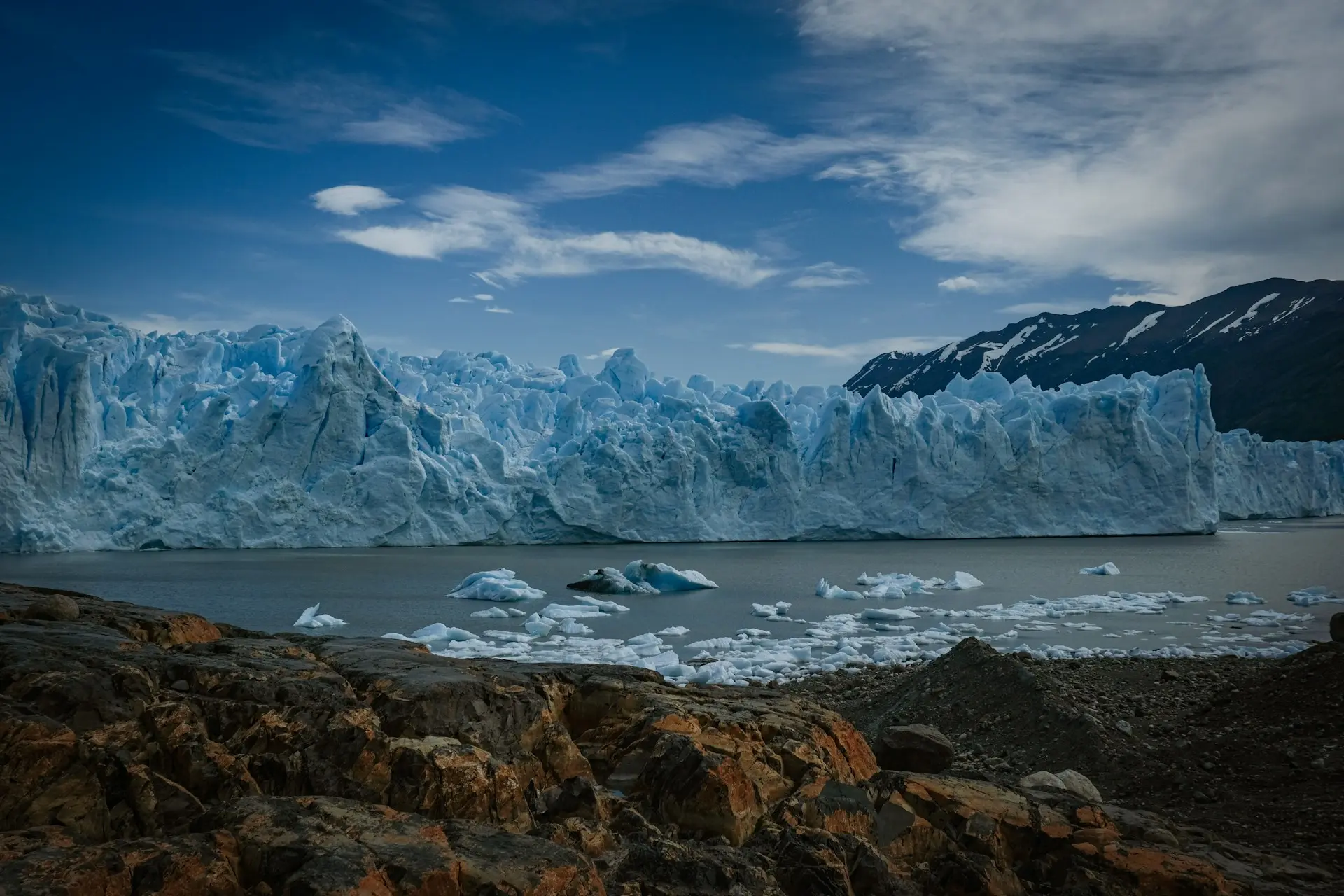
The Perito Moreno Glacier is one of only a handful of glaciers in the world that is not retreating. While most of the world's glaciers are diminishing rapidly, Perito Moreno maintains a rough equilibrium — advancing from its feeding snowfields at roughly the same rate as it loses mass through calving. This makes it, among other things, one of the most active and dramatic glaciers on earth to visit. The calving events — chunks of ice separating from the main face and crashing into Lago Argentino — happen with enough frequency that waiting at the viewing walkways for half an hour usually produces at least one.
It is also extraordinary in scale. The glacier is roughly thirty kilometres long and five kilometres wide at its face. The face itself rises sixty metres above the surface of the lake and extends a further hundred and seventy metres below the waterline. The colour of the ice — a deep, impossible blue that exists because of the compression that removes all air from the glacier over centuries — is unlike any blue you have seen elsewhere.
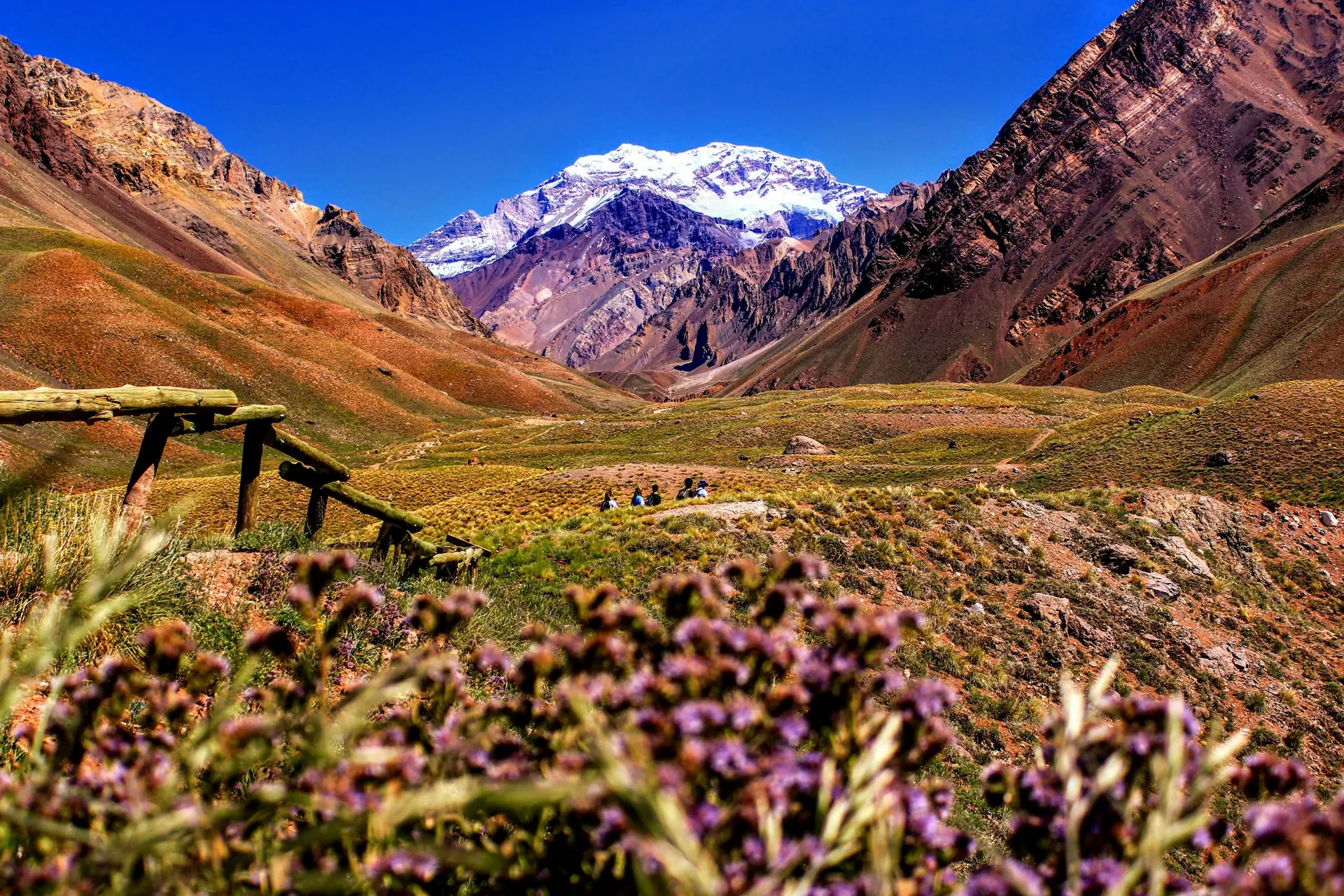
El Calafate is the gateway town, and the glacier is approximately eighty kilometres from the town centre — a one-hour drive through the Patagonian steppe.
How to Visit: The Options
There are essentially three ways to experience Perito Moreno, and they are not mutually exclusive.
The Viewing Walkways: A network of elevated metal walkways runs along the southern shore of the peninsula opposite the glacier face, offering views from multiple angles and heights. This is the standard visit and it is genuinely extraordinary — you can spend hours here watching the ice, listening for calving events, and moving between viewpoints. The walkways are included in the national park entry fee.
Ice Trekking: The most immersive option is to walk on the glacier itself. Crampons are provided, and a guide leads groups across the surface of the ice — through crevasses, past meltwater channels, and to points where the blue of the compressed ice beneath your feet is visible. This requires a moderate level of fitness, appropriate footwear, and advance booking — the ice trek is one of the most in-demand experiences in all of Patagonia and fills up well ahead of peak season.
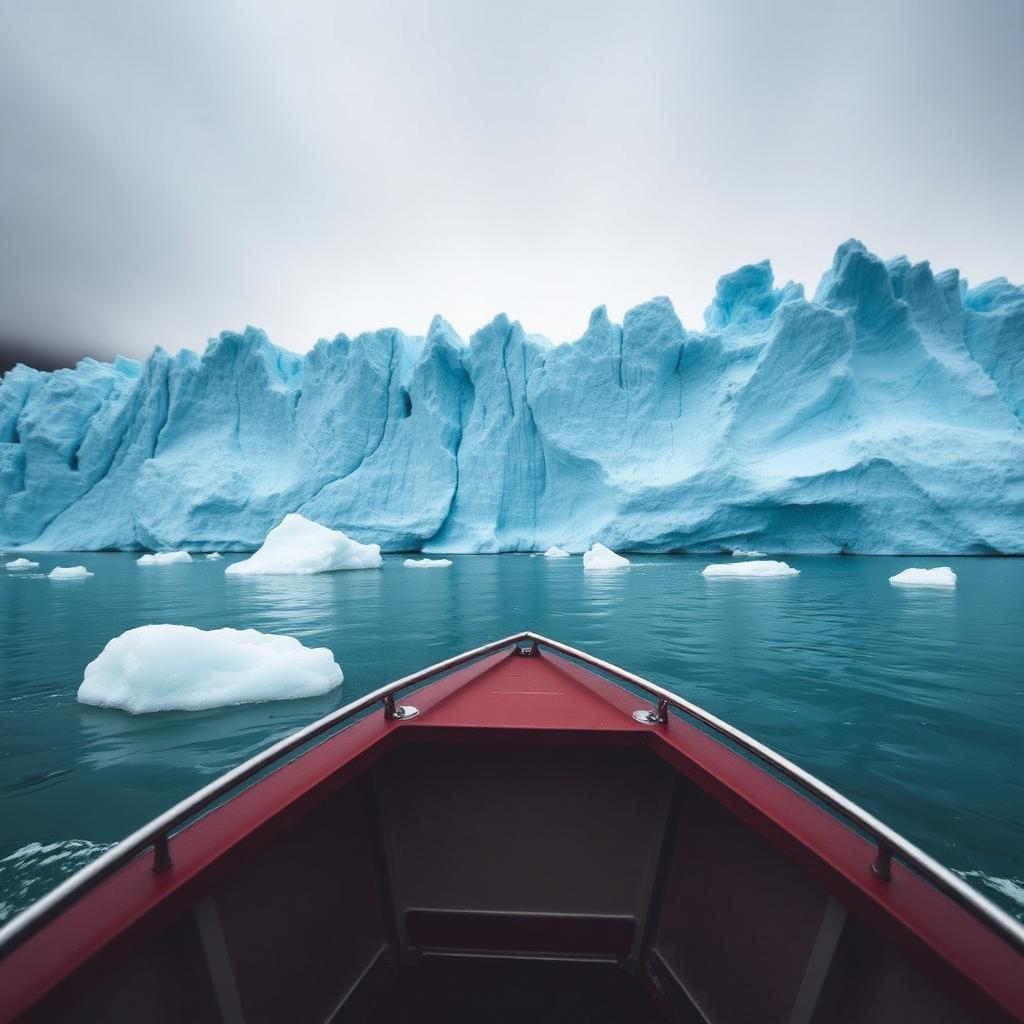
Boat Excursion: A private or shared boat takes you to the front of the glacier — close enough to feel the cold radiating from the ice face and to hear every crack and groan of the glacier's movement. The scale of the glacier is most apparent from the water: standing on a boat looking up at sixty metres of ice and knowing there is another hundred and seventy below the surface of the lake is one of the most humbling experiences in Argentina.
We include all three in The Wild South journey and the Grand Argentina itinerary, and our team secures advance access to the ice trek before arrival so you never miss it due to capacity.
What to Wear
Patagonia's weather changes rapidly, and the microclimate around a glacier is colder than the surrounding landscape. A layering system is essential: thermal base, insulating mid-layer, waterproof and windproof outer shell. Waterproof hiking boots with ankle support are important on the walkways, which can be wet and slippery. Gloves and a hat year-round — even in January, the wind off the glacier creates a chill that feels far colder than the air temperature suggests.
If you are ice trekking, the crampons go over your boots — any hiking boot or trail shoe with a solid sole works. Our team will brief you specifically on what to bring for the glacier visit when your journey is confirmed.
Best Time to Visit
The glacier is open year-round. The calving events are more frequent in summer (December–March) when warmer temperatures increase ice movement, but they occur in every season. The walkways are less crowded in the shoulder season — October–November and March–April. In winter (May–September), the landscape around the glacier takes on a more severe and dramatic quality, and you will often have the walkways largely to yourself.
For wildlife and nature experiences that complement the glacier visit, September through November also coincides with the early season at Peninsula Valdés on the Atlantic coast.
Combining El Calafate with El Chaltén
El Calafate and El Chaltén are three hours apart by road and are the natural pairing for any Patagonia journey. El Chaltén offers the Fitz Roy trekking circuits — completely different terrain and character from the glacier landscape, but equally extraordinary. The combination of ice at El Calafate and granite at El Chaltén represents Patagonia's two dominant personalities in a single week.
The Wild South journey devotes three nights to El Calafate and two nights to El Chaltén, which we have found is the right balance — enough time at the glacier for ice trekking, a boat excursion, and an estancia day, and enough time at Fitz Roy for the Laguna de los Tres circuit.
Planning the Glacier Visit with Bespoke Argentina
The practical details that make or break a Perito Moreno visit — advance booking for ice trekking, choosing between boat operators, knowing which walkway sections offer the best angles at which time of day — are exactly the kind of local knowledge that saves a journey from being ordinary. Our team has visited the glacier hundreds of times, across every season and weather condition, and we design each visit around the specific interests and fitness level of the traveller.