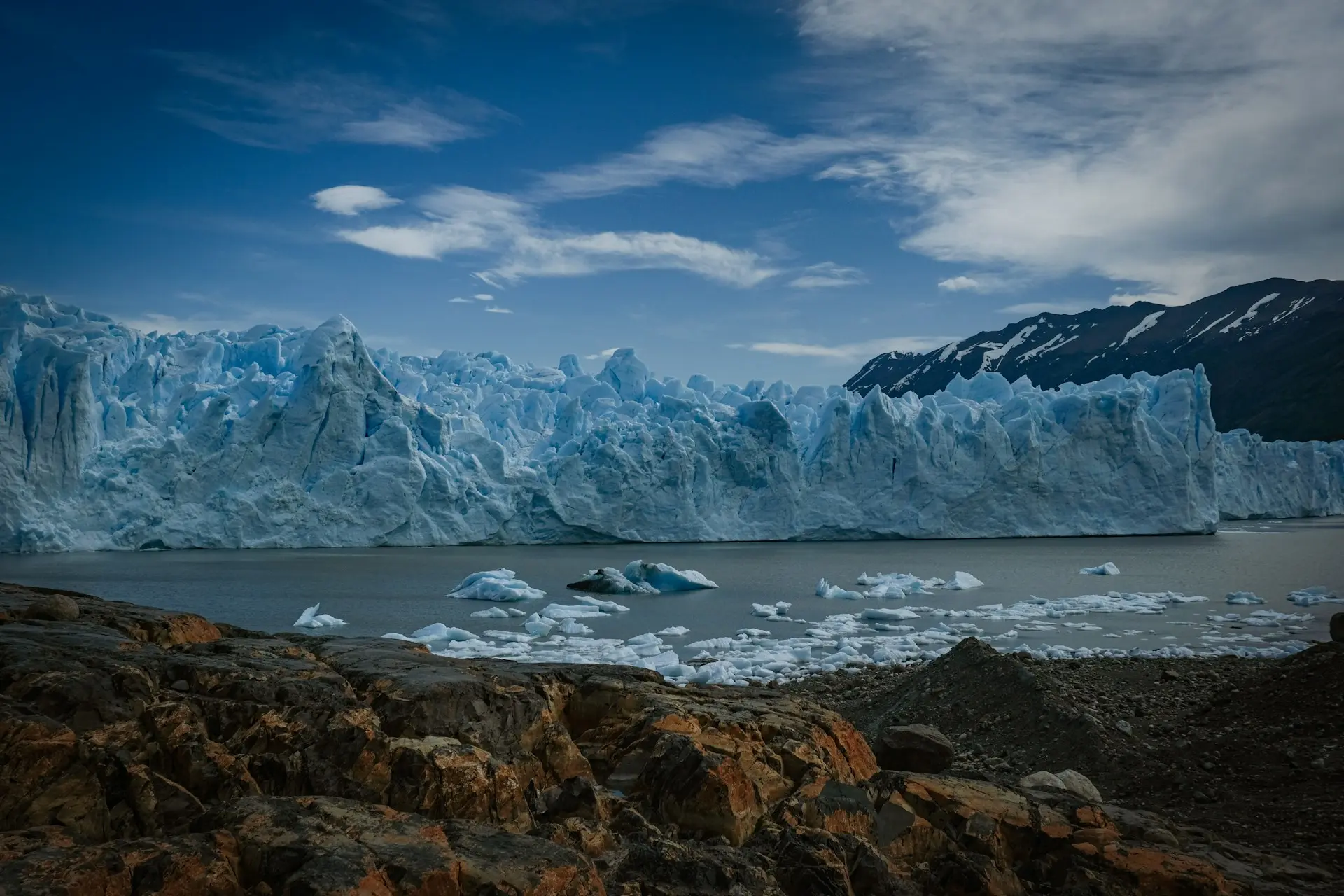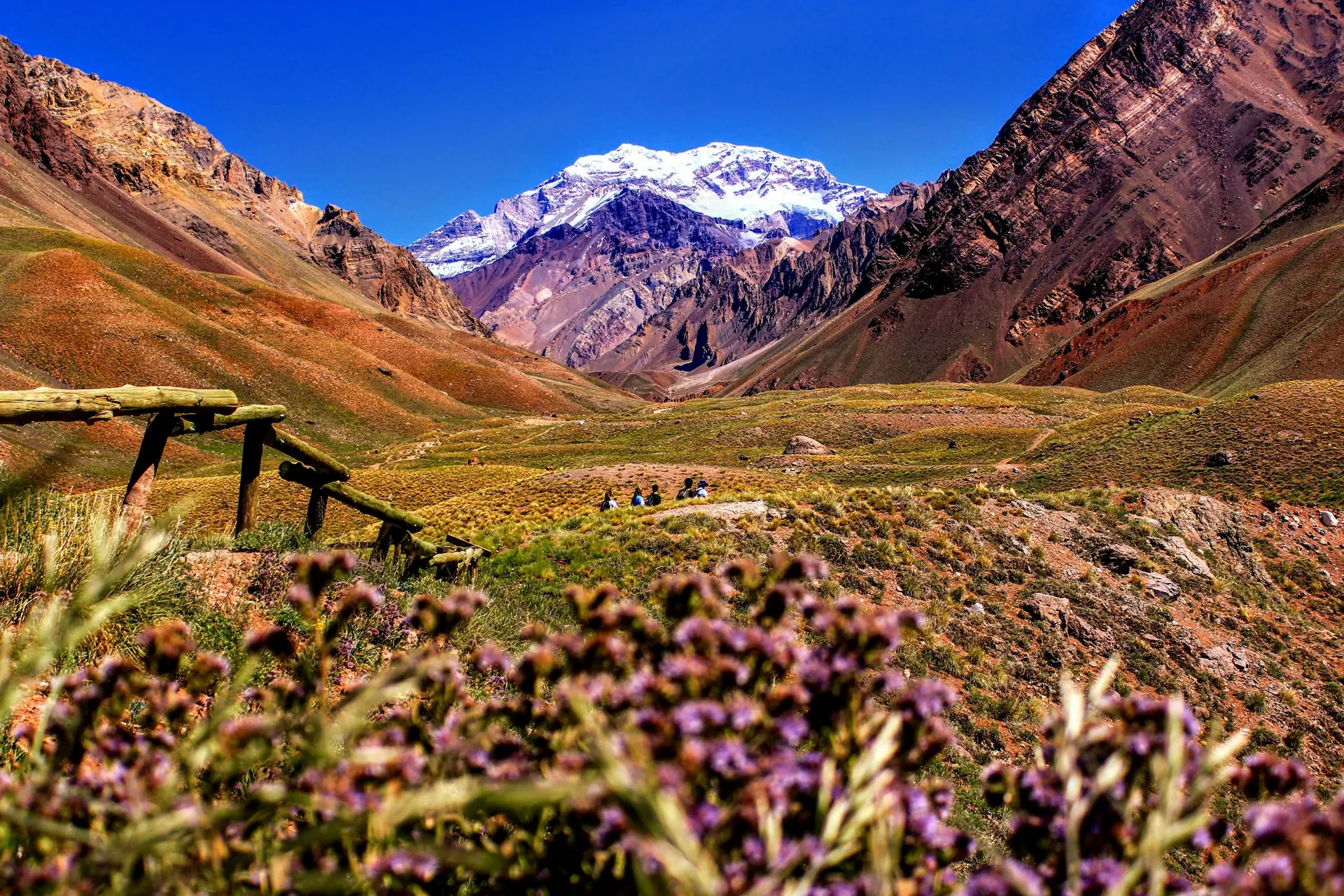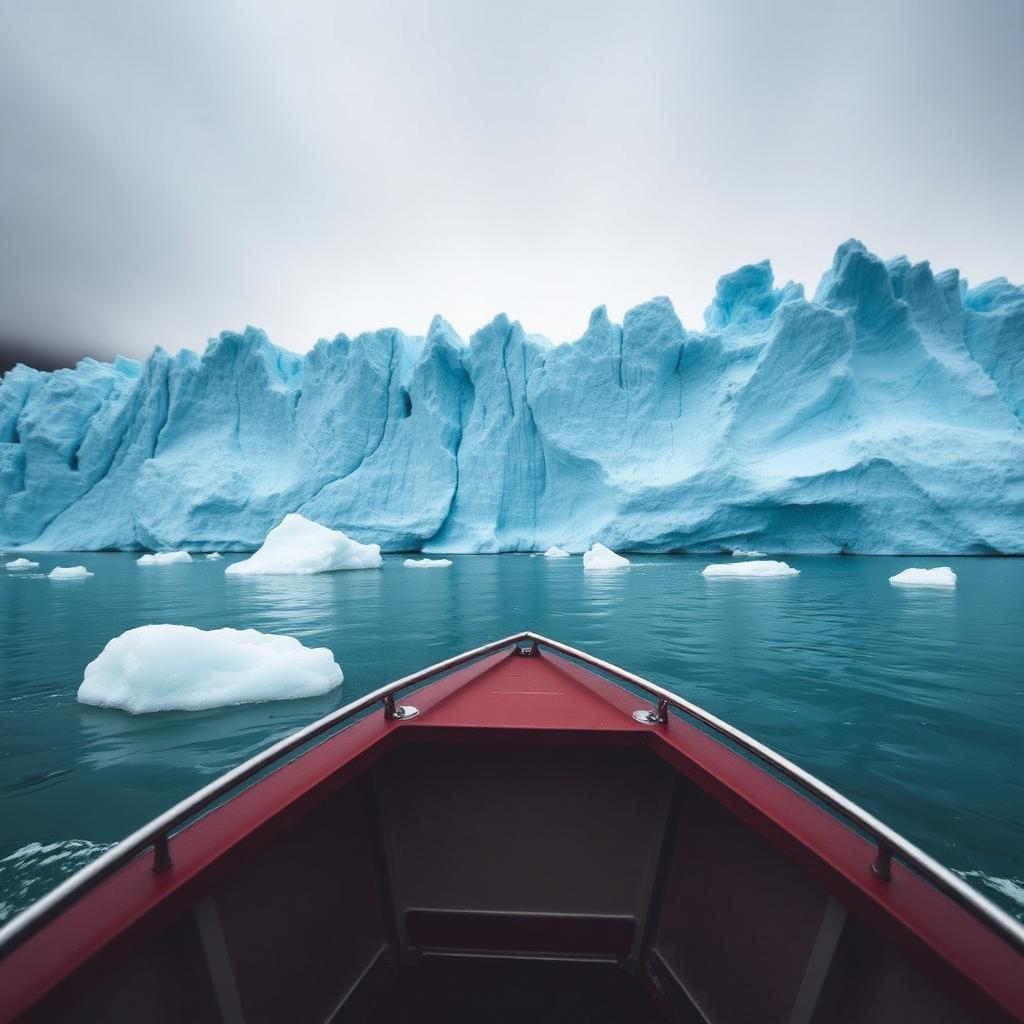
Patagonia is not a single climate. It is a vast region, stretching from the lake districts of Bariloche in the north to the glaciers of El Calafate and the Beagle Channel of Ushuaia in the south. Its weather changes by latitude, altitude, season, and often by the hour. The best time to visit Patagonia depends entirely on what you want from the journey. There is no universally wrong month, and there is no universally perfect one.
This guide covers Argentine Patagonia — Bariloche, El Calafate, El Chaltén, Ushuaia, and the Atlantic coast at Peninsula Valdés. If your trip crosses into Chilean Patagonia (Torres del Paine, for instance), the same seasonal logic applies, but border and access details differ.
In this guide: Season Overview · Spring · Summer · Autumn · Winter · Wildlife Timing · What to Pack · Planning Multiple Destinations · Quick Answers
Season and Cost Overview
| Window | Weather | Crowds & Cost | Best For |
|---|---|---|---|
| Oct–Nov (spring) | Unpredictable, generous clear windows | Low crowds, lower prices | Trekking, quiet trails |
| Dec–Feb (summer) | Most reliable, very long days | Peak crowds, highest prices, book 12 months ahead | Glacier trekking, full activity access |
| Mar–Apr (autumn) | Clear skies, dramatic light | Low crowds, lower prices | Wildlife (orcas), autumn color, trekking |
| May–Sep (winter) | Cold, some trails/lodges close in the deep south | Low crowds, significantly lower prices | Bariloche skiing at Cerro Catedral |
How busy each region actually is varies by year, not just by season. Los Glaciares National Park's South Zone (El Calafate and El Chaltén) recorded 541,788 visitors between January and November 2025, down 10.9% from the same period in 2024 — November 2025 alone brought 94,640 visits, 69.8% of them international travellers (Ahora Calafate, citing park administration data). For comparison, Chilean Patagonia's Torres del Paine logged 305,293 visits in the same January–November 2024 window, 17% above pre-pandemic 2019 levels (La Prensa Austral, citing CONAF Magallanes).
El Calafate's climate illustrates the swing: average highs run from roughly 13°C (56°F) in January down to near 0°C (32°F) in July, with winter lows well below freezing (climate-data.org). Pack, and plan, accordingly — see our full Argentina packing guidance for layering specifics.
Price and availability move together across these windows, not independently. A December lodge rate can run two to three times its May equivalent, and the gap isn't arbitrary — it tracks almost exactly with how far in advance that season's inventory sells out. Shoulder season occupies a genuine middle ground: meaningfully cheaper than summer, with most of the same trails, lodges, and experiences open and operating.
October and November: Spring in Patagonia
October and November are among the most rewarding months to visit Patagonia, and among the least crowded. The wildflowers carpet the steppe in early spring colour, the lenga beech trees push out their first leaves, and the trails are quiet. Weather is genuinely unpredictable. Patagonia is always unpredictable. But the windows of clear weather are generous, and the light in November, when the days start stretching toward their summer length, is extraordinary.
For trekkers planning the circuits around El Chaltén and Fitz Roy, spring is ideal. The trails are clear of snow, the refugios are open, and you're sharing the landscape with a fraction of the people who will arrive in January. The adventure and trekking experiences we design for this window are some of the most memorable we offer.
December to February: Peak Patagonian Summer
December through February is the height of the Patagonian summer, and the most popular window for a reason. The weather is at its most reliable, though Patagonia will always surprise you. The days are extraordinarily long: sunlight until roughly 10pm in Ushuaia at the December solstice, a straightforward consequence of its sub-Antarctic latitude. Every experience from glacier trekking to catamaran crossings operates at full capacity.
This is also the most important period to plan well in advance, and the highest-priced. The best wilderness lodges in Patagonia, the remote properties that define the luxury end of the experience, fill twelve months ahead. If you're considering a December to February journey, start the conversation with us at least a year before departure.
Peak summer is also when wildlife on the Patagonian Atlantic coast is most accessible. Magellanic penguin colonies at Punta Tombo are at full population between October and March. Boat excursions on the Beagle Channel from Ushuaia operate daily in near-guaranteed conditions.
March and April: Patagonian Autumn
Many experienced Patagonia travellers consider March and April the finest months of all. The crowds of January have gone, and so have the peak-season prices. The lenga beech forests turn from green to every shade of amber, copper and gold, a palette that belongs entirely to autumn in the southern hemisphere. The light is lower, longer, and more dramatic. The sky is often clear.
The trails are still open and the lodges still operating, with significantly fewer people than in summer. April is particularly remarkable for wildlife at Peninsula Valdés. Orcas hunt sea lions at Punta Norte, a behaviour observed in very few places on earth, in a season running through April.
May to September: Patagonian Winter

Winter in Patagonia is not for everyone. It is not to be dismissed either. The deep south — El Calafate, El Chaltén, Ushuaia — sees some lodges close and some trails become inaccessible under snow. But the landscapes take on a severity and silence that summer visitors never experience. The glaciers calve against frozen skies. The Beagle Channel turns the colour of steel.
The great advantage of Patagonian winter is Bariloche and its ski season. Cerro Catedral is the largest ski resort in South America, and its 2025 season opened June 7 with more than 120 guaranteed ski days — a figure the resort can now promise independent of natural snowfall, thanks to a Masterplan begun in 2020 that added 44 snow generators, a dedicated water reservoir, four new high-capacity chairlifts, and over 50 km of newly built runs (Lugares de Nieve). The setting is a dramatic Andean lake landscape, and prices and crowds run well below comparable European or North American resorts. Our ski and snow experiences are exclusively available in this window. The Wine, Lakes & Mountains journey combines Mendoza wine country with Bariloche skiing in a single itinerary.

Getting to Patagonia
Patagonia's distances are deceptive on a map and real in practice. Buenos Aires to El Calafate is roughly a three-hour flight; overland, the same route runs upward of thirty-six hours. Internal flights, not roads, are how a Patagonia itinerary actually moves.
El Calafate (FTE) is the gateway for the glacier region and El Chaltén, a further three-hour drive or short transfer north. Ushuaia (USH) has its own airport at the southern tip of the country, generally reached via a connection through Buenos Aires or El Calafate rather than direct from most international gateways. Bariloche (BRC) sits apart from the southern circuit entirely, closer to the lake district and typically paired with Mendoza wine country rather than El Calafate and Ushuaia in the same trip.
Flight frequency drops outside peak summer, particularly to Ushuaia, so shoulder- and winter-season itineraries need routing confirmed earlier rather than assumed. This is one of the more common planning mistakes we see in independently booked Patagonia trips: travellers build a dream itinerary across three or four destinations before checking whether the flights connecting them actually run on the dates they want.
Wildlife Timing: The Quick Reference
| Species | Location | Peak Months |
|---|---|---|
| Southern right whales | Peninsula Valdés | Late May–Dec, peak September (Puerto Pirámides official tourism site) |
| Magellanic penguins | Punta Tombo | Sep–Apr, best Dec–Feb (colony of 200,000–400,000 breeding pairs) |
| Orcas hunting sea lions | Punta Norte, Peninsula Valdés | Mar–Apr |
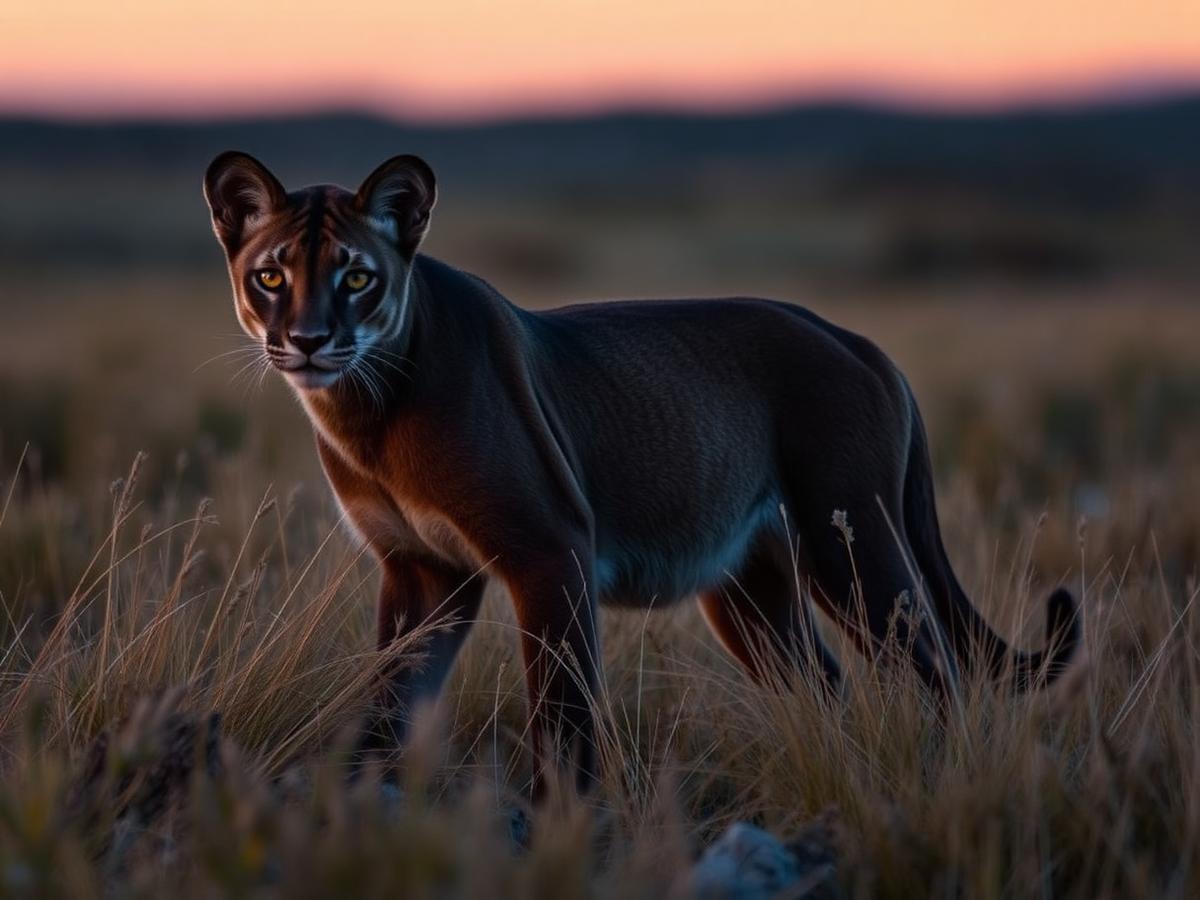
| Andean condors | Andean thermals, year-round | Most visible in warmer months |
Ushuaia's own wildlife and glacier access is having a strong season too: Tierra del Fuego National Park recorded 52,444 visits in November 2025, up 12% year over year, with hotel occupancy in the city running at 57% that season (Instituto Fueguino de Turismo, December 2025 tourism report).
For travellers whose primary interest is wildlife, the Wildlife & The Atlantic Coast journey is designed specifically around these seasonal windows. We build in flexibility to align your dates with peak activity.
What to Pack by Season
Patagonia's layering logic changes more by season than by destination, since wind and sudden weather shifts are a constant in every month. Our full Argentina packing guidance covers the country-wide basics; the notes below are Patagonia-specific.
Summer (Dec–Feb). Days can swing from 20°C sunshine to a cold, sudden wind within an hour, so a packable windproof shell earns its space even in January. Sun protection matters more than travellers expect this far south — the thin, clean air at this latitude means UV exposure on glacier ice or open steppe is more intense than the temperature alone would suggest.
Shoulder seasons (Mar–Apr, Oct–Nov). Base layers become essential, not optional. Mornings can start near freezing and afternoons reach a comfortable trekking temperature, so layering that can come off and go back on through the day matters more than any single heavy garment.
Winter (May–Sep). A genuine insulated jacket, waterproof boots, and glove liners are non-negotiable in El Calafate and Ushuaia. For Bariloche skiing specifically, rental gear is widely available and often simpler than travelling with your own.
In every season: broken-in waterproof hiking boots, not new ones, and a headlamp for the long dusk hours around the summer solstice or the early dark of winter afternoons.
Planning Around Multiple Patagonian Destinations
The practical challenge most travellers face is that Patagonia is not one place. It is many places spread across a vast territory. The best time for Bariloche is not the same as the best time for Ushuaia. The best time for whale watching at Peninsula Valdés is different again from the ideal window for the Fitz Roy circuits.
This is precisely why a local concierge makes a material difference. We design Patagonia journeys around your dates, your interests, and the specific windows when each destination is at its finest. For a combined trek-and-ski trip, we sequence it so the trekking comes in summer and the ski section overlaps with the Bariloche season. For wildlife-focused trips, we build the itinerary around the season dates of the species you most want to encounter.
The Wild South journey, our most requested Patagonia itinerary, visits El Calafate, El Chaltén, and Ushuaia in a single circuit. To add Bariloche and the lake district, Wine, Lakes & Mountains combines the northern lake district with Mendoza wine country. For those who want Patagonia combined with the rest of Argentina, The Grand Argentina takes in the northwest, Iguazú, Mendoza, and the full south in twenty-three nights.
Quick Answers
What is the single best month to visit Patagonia?
There isn't one universal answer, but March and April draw the most repeat travellers: fewer crowds and lower prices than summer, with the autumn colour of the lenga forests and strong wildlife viewing at Peninsula Valdés.
How far in advance should I book a December–February trip?
At least twelve months ahead. The remote luxury lodges that define Patagonia's high end sell out a full year before peak summer departures.
Is Patagonia too cold to visit in winter?
Not in the way most travellers assume. El Calafate and Ushuaia stay open with a quieter, starker landscape, and Bariloche's ski season at Cerro Catedral — now running 120+ guaranteed days a season — is a genuine draw rather than a compromise.
Can I see whales and penguins on the same trip?
Yes, with the right timing. September is the overlap month: southern right whales are at their peak at Peninsula Valdés, and penguins are just arriving at Punta Tombo to pair up for the season. Visit December–February instead and you'll catch mostly mother-calf whale pairs alongside full penguin colonies with growing chicks.
How many visitors does Los Glaciares National Park get?
541,788 people visited the park's South Zone between January and November 2025 — a single month, November, brought 94,640 visits on its own, 69.8% of them international travellers.
How is Ushuaia trending as a destination?
Tierra del Fuego National Park saw 52,444 visits in November 2025, up 12% year over year, with the city's hotel occupancy also climbing to 57% that season.
The short answer to when to visit Patagonia: whenever you can get there. The longer answer is that the right time depends on what matters most to you, and that's a conversation worth having.
Related