The question comes up regularly — Argentina or Chile? — and the honest answer is almost always both. Not because we are being diplomatic, but because the two countries occupy different parts of the same terrain and offer genuinely complementary experiences. Chile is not a substitute for Argentina, and Argentina is not a substitute for Chile. But if you must choose one, or if you are deciding how to allocate time between them, this is how we think about the comparison.
The Landscape: Patagonia on Both Sides
Both countries are dominated by the Andes and offer access to Patagonia — the vast wilderness at the southern end of the continent. The Patagonian experience in each country is different.
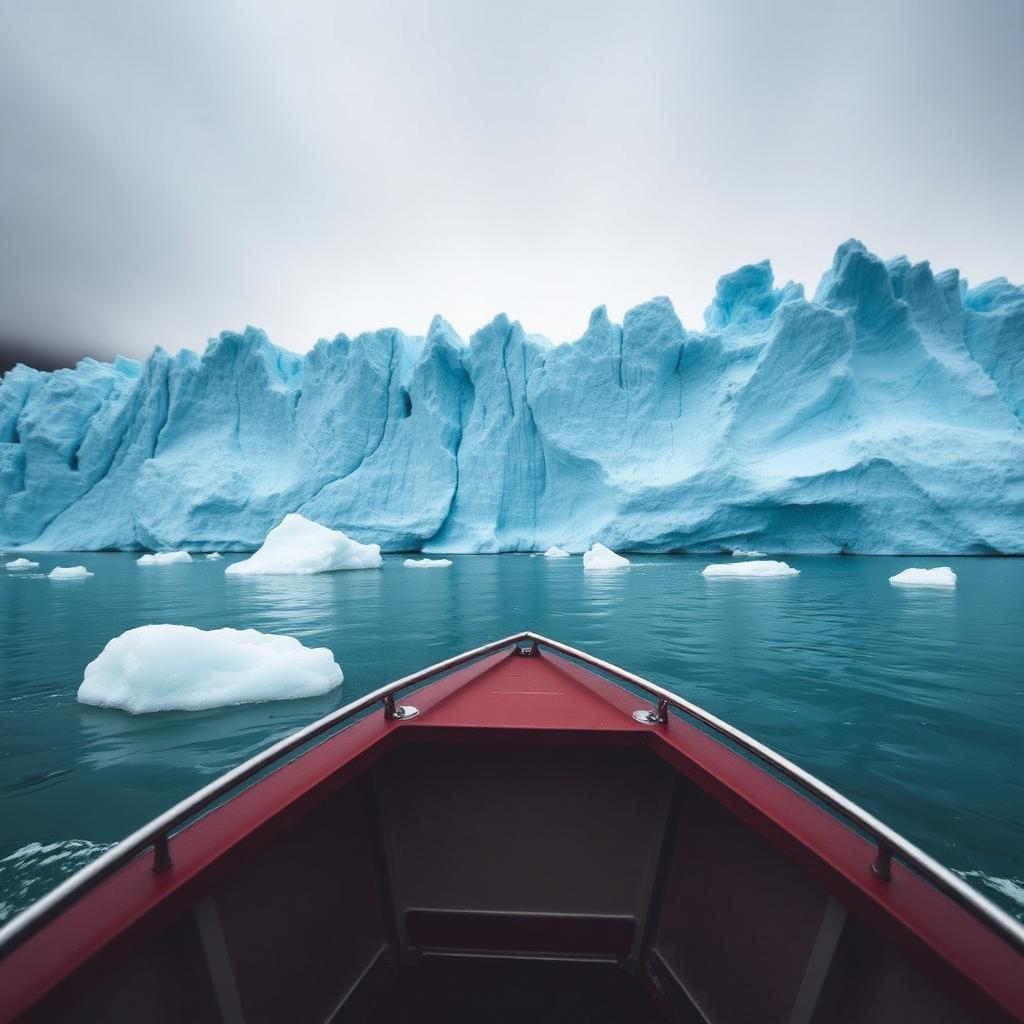
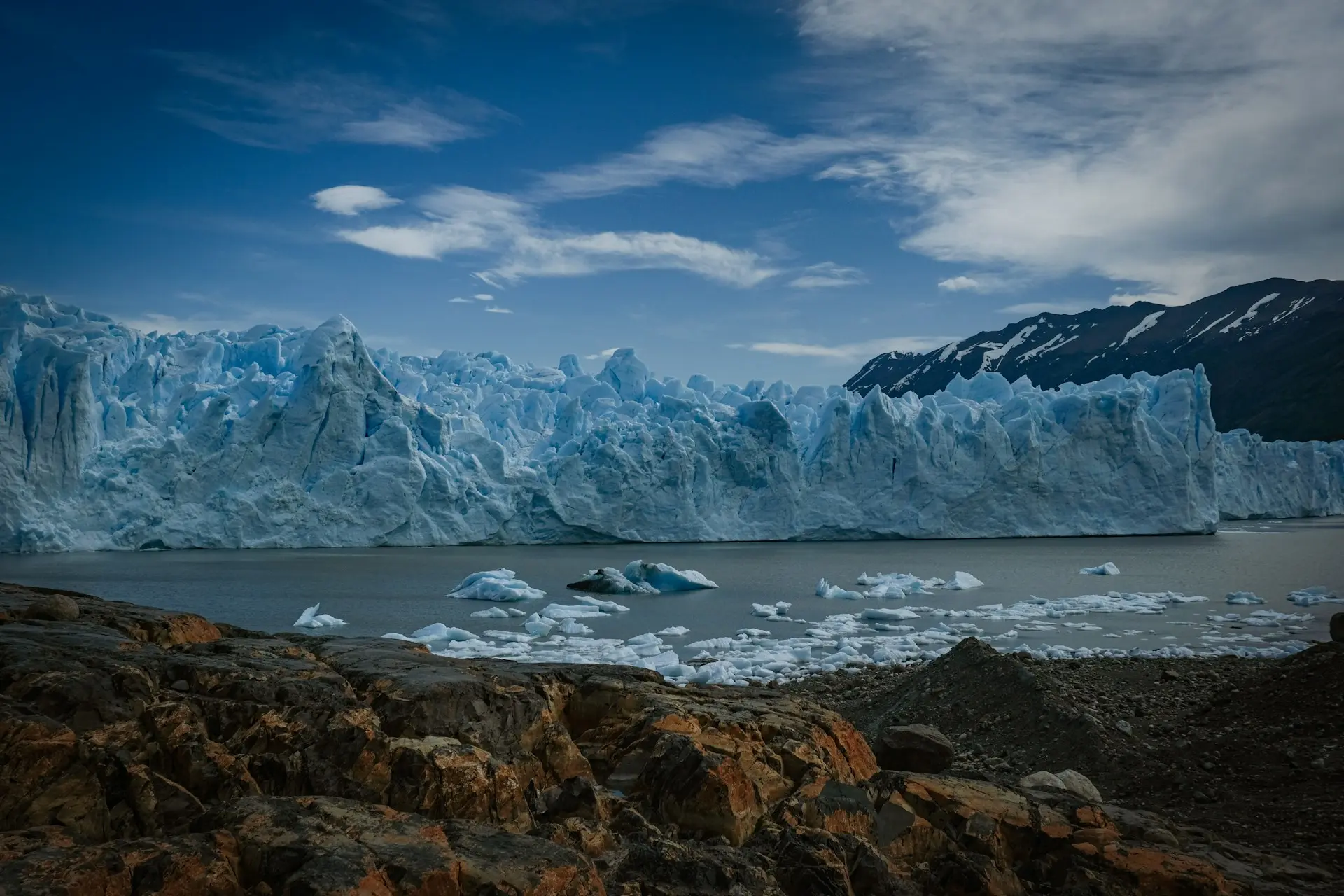
Argentine Patagonia is centred on the glaciers of Los Glaciares National Park — Perito Moreno is the most spectacular and accessible glacier in the world — the trekking circuits around Fitz Roy in El Chaltén, and the end-of-the-world character of Ushuaia. Argentine Patagonia is more accessible, better-serviced by domestic flights, and more suitable for first-time visitors to the region.
Chilean Patagonia is centred on Torres del Paine National Park — the granite towers that have become the visual icon of Patagonia worldwide — and the fjords of the Carretera Austral. Chilean Patagonia is less developed, more challenging to access in some areas, and for many travellers more dramatically wild.
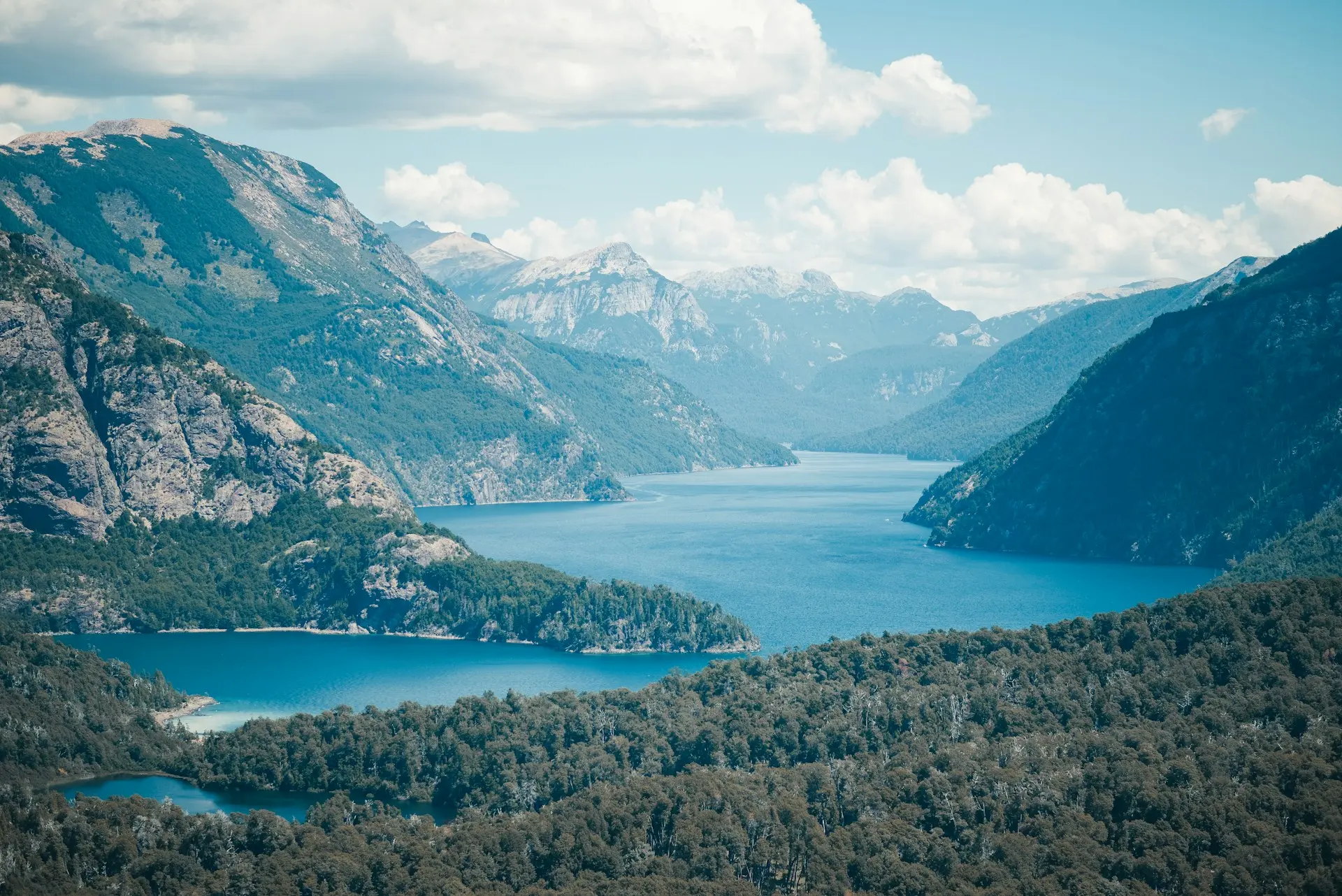
The Argentina & Chile journey we design crosses both via the Cruce Andino — a legendary lake crossing through the Andes that connects Puerto Varas in Chile to Bariloche in Argentina. It is one of the great travel experiences of South America.
The Cities: Buenos Aires vs Santiago
There is no honest comparison here. Both are excellent South American cities, but Buenos Aires is in a different category — one of the great cities of the world, with a cultural depth, gastronomy, tango tradition, and European architectural legacy that Santiago does not match.
Santiago is a very good city — clean, walkable, cosmopolitan, with a rapidly improving food scene and the Casablanca wine valley within an hour's drive. But it does not have the density of experience that Buenos Aires offers: the milongas, the parrillas, the MALBA, the literary culture, the neighbourhoods that each constitute a world. For the city experience, Argentina wins clearly. Our City & Culture experiences are built specifically around the Buenos Aires depth.
Wine: Malbec vs Carménère
[Mendoza, Argentina](/destinations/mendoza): High-altitude Malbec of genuine world-class quality. The boutique bodega culture — private visits with winemakers at estates that don't receive walk-in visitors — offers intimacy and access that is difficult to find at wine destinations anywhere in the world. Our Wine & Gastronomy experiences are built around this access.
Casablanca and Colchagua, Chile: Excellent Sauvignon Blanc and Carménère in dramatically different terrain. Chilean wine touring is well-organised and visitor-friendly but has a slightly more commercial character than the Mendoza experience at its best.
For the wine experience, Argentina's combination of wine quality and the intimacy of private estate access gives it the edge.
Skiing: Las Leñas vs Portillo
For serious skiers, this is the most contested comparison.
Las Leñas (Argentina): Remote, uncrowded, with some of the longest and deepest off-piste runs in the world. Expert terrain that attracts powder hunters from across the hemisphere. Our ski experiences cover Las Leñas in detail.
Portillo (Chile): A legendary single-resort experience — one hotel above a frozen lake at 2,880 metres, a self-contained ski week culture that has existed since the 1940s. Excellent vertical, efficient lifts, storied reputation.
For intermediate skiers and families, Cerro Catedral at Bariloche is the better option — more variety, easier access, and combinable with the rest of an Argentine journey. For dedicated powder hunters who want nothing but world-class off-piste, Las Leñas and Portillo are roughly equal and both worth knowing.
Value: Argentina Wins Clearly
The Argentine peso's position in recent years has made Argentina exceptionally good value for travellers paying in US dollars or euros. Accommodation, food, domestic transport, and services that would cost two or three times as much in comparable European destinations are accessible at a fraction of the price. Chile is not expensive by South American standards but is generally more costly than Argentina at current rates.
Safety and Infrastructure
Both countries are safe for international tourists. Chile has slightly more developed tourist infrastructure in some areas. Argentina has a more comprehensive domestic flight network, which matters greatly when covering the distances between Buenos Aires, Patagonia, Mendoza, and the northwest.
The Real Answer: Do Both
Our Argentina & Chile journey is eighteen nights — Santiago, Puerto Varas, the Cruce Andino, Bariloche, El Calafate, Ushuaia, Buenos Aires. It is the natural itinerary for travellers who want to understand the southern cone rather than choose sides.
The Cruce Andino itself — the bus and boat crossing through the Andean lake chain from Chile into Argentina — is one of the great travel experiences of South America. Darwin made a version of this crossing. The scenery through the lake chain, with volcanos and old-growth forests reflecting in glacial water, is unlike anything accessible by air.
Talk to us about your South America plans and we will help you think through whether Argentina alone, Chile alone, or both in combination is the right choice for your interests, timeline, and what you want to feel at the end of the journey.