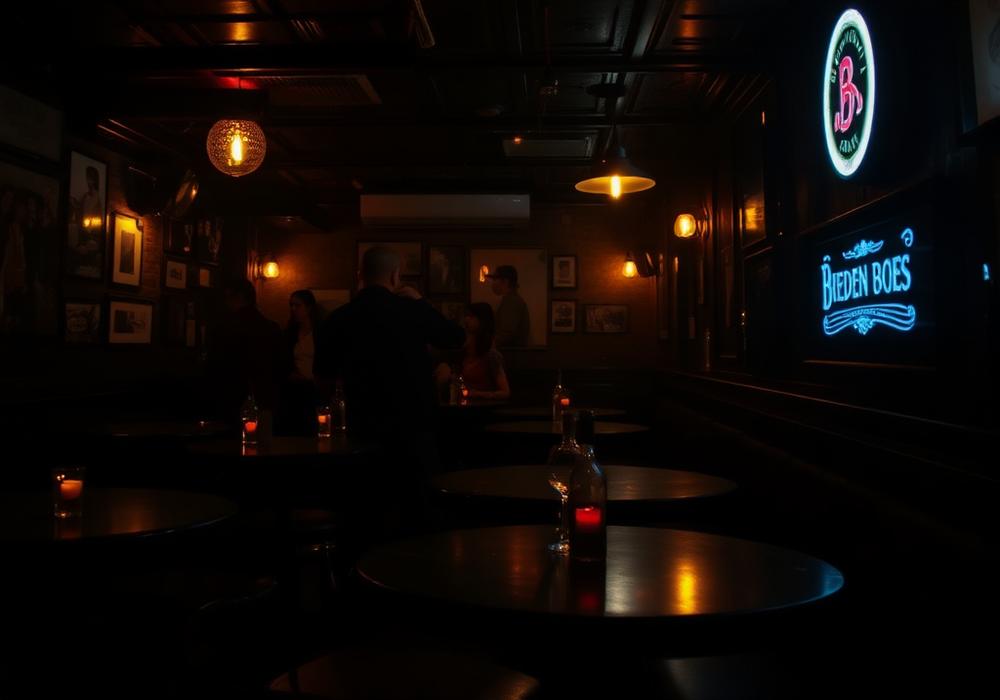
Buenos Aires is a city that takes time to understand, which is also what makes it one of the most rewarding cities in the world to visit. It does not reveal itself on the first day, or even the second. It is a city built for those who stay long enough to find the things that aren't in the guidebook. The milonga in San Telmo where the tango is real. The parrilla in Villa Crespo that doesn't have a sign outside. The park in Palermo where the city exhales on a Sunday afternoon.
This guide is how we introduce Buenos Aires to every traveller we work with. It combines practical information with the insider context that makes the difference between visiting and arriving.
In this guide: When to Go · Safety · Getting There · Getting Around · Where to Stay · Things to Do · Where to Eat · Day Trips · How Long to Stay · Quick Answers
When to Go to Buenos Aires
The best months are March to May (autumn) and September to November (spring). Temperatures are mild, the jacaranda trees in Palermo flower in November, and the city runs at its normal rhythm rather than its holiday pace. December through February is hot, regularly above 30°C, and many Porteños leave the city in January, giving it a quieter but slightly emptied quality. July and August are the coolest months, but Buenos Aires winters are mild by European or North American standards.
Safety in Buenos Aires
Buenos Aires carries the same Level 1 "Exercise Normal Precautions" rating as the rest of Argentina, per the US State Department. In practice, that means ordinary city awareness, not special caution.
Petty theft, mainly pickpocketing, is the main risk in crowded tourist areas. La Boca after dark and parts of Retiro carry a somewhat higher risk profile and aren't places we route independent evening time. Downtown Buenos Aires and the Congress area periodically see demonstrations that can close roads without much notice. We track these and route around them as part of every itinerary. None of this is unusual for a major world capital, and none of it should discourage a well-planned visit.
Getting to Buenos Aires
International flights land at Ezeiza International Airport (EZE), approximately forty minutes from central Buenos Aires by private transfer. The transfer into the city is one of the first moments where having a private arrangement matters. Arriving in a confirmed private vehicle rather than navigating the taxi situation after a long flight sets the tone for everything that follows.
Most domestic flights depart from Aeroparque Jorge Newbery (AEP), a completely separate airport on the river, about twenty minutes from central Buenos Aires. If you're connecting from an international arrival to a domestic departure, we always recommend booking the domestic flight for the following morning.
Getting Around Buenos Aires
Once you're in the city, a SUBE card is worth getting on day one. It covers the Subte (subway) and city buses, and is available at Subte stations and many kiosks, per the official Buenos Aires tourism site. The Subte itself also accepts contactless card and digital-wallet payment directly at the turnstile. Taxis and rideshare apps (Uber and Cabify both operate widely) are reasonably priced by international standards and the easiest option after dark or for longer crosstown trips.
For the private transfers and drivers we arrange as part of every stay, none of this is something you need to think about. It's useful context, though, if you want to explore independently between planned experiences.
Money and Tipping in Buenos Aires
Argentina's currency situation is genuinely confusing for first-time visitors; see our full Argentina travel guide for the broader picture. In Buenos Aires specifically: major credit cards are accepted at the hotels, restaurants, and experiences we arrange, so carrying large amounts of cash isn't necessary. Tipping at restaurants runs around 10%, appreciated rather than obligatory.
Where to Stay in Buenos Aires
The choice of neighbourhood for your Buenos Aires hotel shapes the entire experience of the city.
- —Recoleta is the most formal and most European neighbourhood: grand boulevards, the famous cemetery, the Alvear Palace on the main avenue. If you want to be close to the best museums (MALBA, MNBA) and the city's most prestigious restaurants, Recoleta is the address.
- —Palermo is where Buenos Aires is most alive right now: the restaurant scene, the wine bars, the design hotels, the parks. Palermo Soho or Palermo Hollywood puts you in the middle of the contemporary city.
- —San Telmo offers the most character: cobblestones, colonial architecture, the antique market, the milongas. Slower-paced and more atmospheric than the rest of the city, it's the neighbourhood most visitors wish they'd stayed longer in.
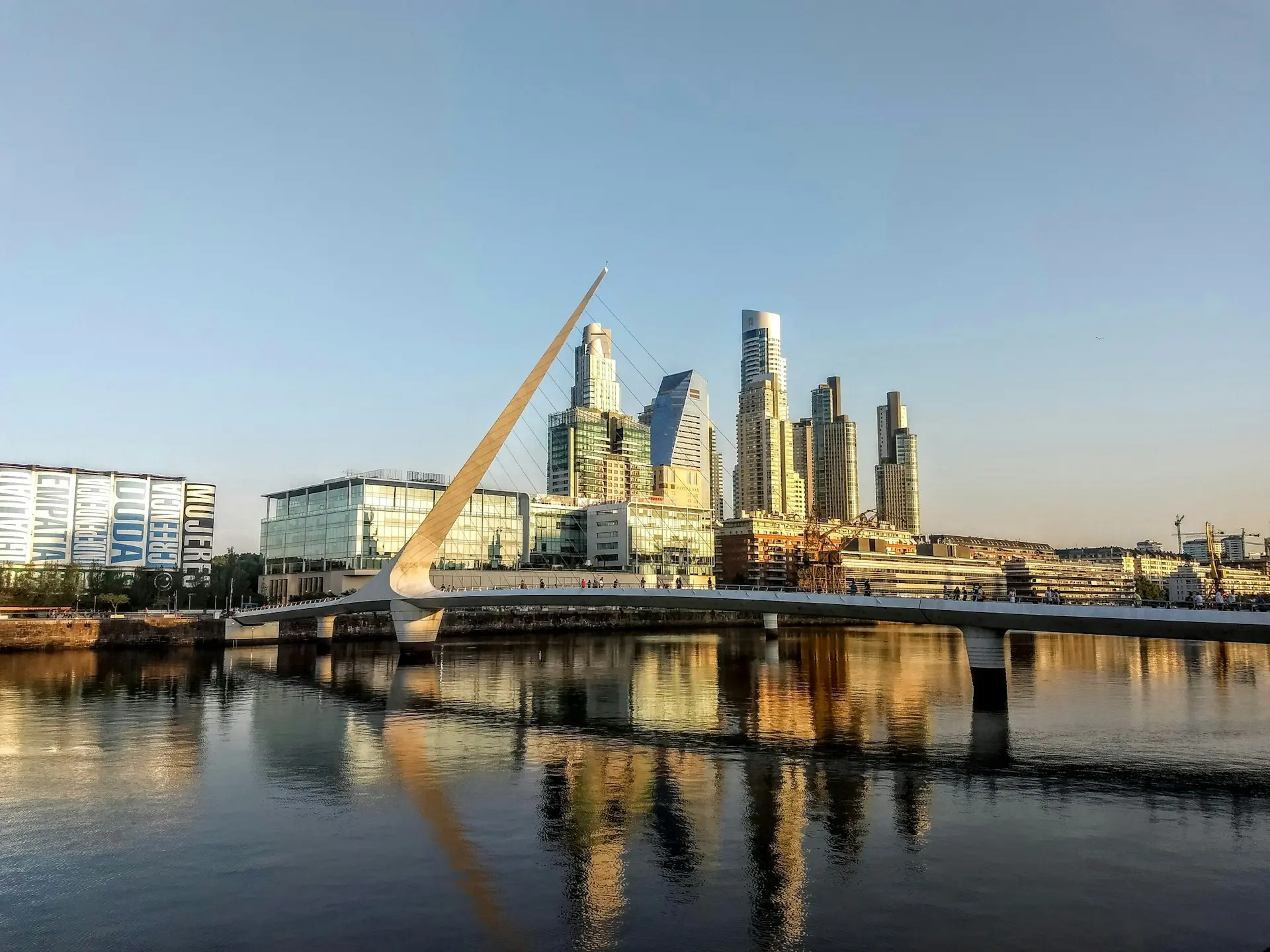
- —Puerto Madero is the newest and most modern face of Buenos Aires: converted brick docks, glass towers, and the ecological reserve along the river. It's quieter at night than Palermo or San Telmo, which suits travellers who want a calm base within walking distance of downtown.
All four neighbourhoods put you within reach of the city's best restaurants and experiences; the difference is character and pace, not price tier. Our Buenos Aires destination page gives more detail on each neighbourhood and what suits different types of travellers.
Things to Do in Buenos Aires
The Parrilla Experience. Buenos Aires is a beef city in a way no other city on earth is. The parrilla, the Argentine steakhouse, is the institution that defines it. Not all parrillas are equal, and the best require reservations weeks ahead. We secure these as part of every Buenos Aires stay we design.
Tango. There's the tango show, choreographed for tourists and perfectly enjoyable. And then there's the milonga, the dance hall where people who have been dancing tango their whole lives come to dance it. The difference is what separates a performance from a culture. Our City & Culture experiences include private tango instruction and an evening at a real milonga.
Recoleta Cemetery. One of the most extraordinary places in South America, not morbid but genuinely moving; the mausoleums tell the social history of Argentina. It's open daily 8am–6pm, with free guided tours in Spanish several days a week, per the official Buenos Aires tourism site. Evita's tomb receives flowers daily. Allow ninety minutes with a private guide who knows the stories.
MALBA. The Museo de Arte Latinoamericano de Buenos Aires houses one of the finest collections of Latin American modern art in the world, with more than 700 works. The building itself is worth seeing.
San Telmo on Sunday. The antique market on Defensa runs from morning until late afternoon. The stalls spread across several blocks, tango dancers perform at street level, and the neighbourhood shows its best face. Go before noon to avoid the afternoon crowds.
Where to Eat in Buenos Aires
Buenos Aires has quietly become one of the most interesting restaurant cities in South America. The parrilla tradition remains the foundation; it would be a mistake not to eat at a great steakhouse at least once. But the contemporary food scene has evolved far beyond it.
The neighbourhoods of Palermo and Villa Crespo have the highest concentration of restaurants worth knowing:
- —Don Julio — traditional parrilla, book weeks in advance
- —Mishiguene — contemporary Argentine-Jewish cuisine
- —Tegui — the tasting menu experience
- —Chori — something simpler and perfectly executed
These aren't the only options, and the city changes constantly. We always have current recommendations that are more reliable than any fixed list.
Buenos Aires's café culture is worth its own detour from a restaurant list. Café Tortoni, open since 1858, is the oldest in the city and looks it, in the best sense: stained glass, marble-topped tables, and a tango show most evenings. It's touristed, deservedly so, and worth a single coffee rather than a full meal. For a working café with none of the ceremony, Palermo and San Telmo are full of small specialty roasters that would not look out of place in Melbourne or Brooklyn — a sign of how quickly the city's food and drink culture keeps moving.
Day Trips from Buenos Aires
Two destinations reward travellers with an extra day, particularly on a first visit or a return trip that already covers the essentials.
Tigre and the Paraná Delta. An hour by train or private transfer north of the city, Tigre sits at the edge of a delta of rivers, islands, and canals with no roads between them; boats are the only way in and out. A few hours on a boat tour, or lunch at a riverside restaurant reachable only by water, is a genuine change of pace from the density of downtown Buenos Aires. It's an easy half-day addition, not a destination that needs an overnight.
San Isidro. Closer in and less visited by tourists, San Isidro is an elegant riverside suburb with a Sunday craft market, a neo-Gothic cathedral, and some of the best-preserved belle-époque residences in greater Buenos Aires. It pairs naturally with Tigre on the same train line, if a full day is available.
We build day trips into itineraries with extra time in Buenos Aires rather than as a rule for every stay — for a first three-night visit, the city itself is the better use of the time.
How Long to Stay in Buenos Aires
Three nights minimum for a meaningful introduction. Five nights if you want to go beyond the surface. More if you're combining Buenos Aires with a broader Argentina journey, in which case the opening and closing Buenos Aires nights bookend the rest of the trip.
For travellers on The Classic Argentina journey or The Grand Argentina, we build three nights into the opening Buenos Aires stay, enough for the essential experiences without rushing. A final night at the end allows for a proper farewell dinner.
Quick Answers
How many days do I need in Buenos Aires?
Three nights minimum for a meaningful introduction; five if you want to go beyond the surface. Less than that and the city tends to feel like a stopover rather than a destination in its own right.
Is Buenos Aires safe for tourists?
Yes, per the US State Department's Level 1 rating, the same as the rest of Argentina. Ordinary awareness in crowded areas and after dark applies, as it would in most major world capitals.
What neighbourhood should I stay in?
Recoleta for formality and museums, Palermo for restaurants and nightlife, San Telmo for atmosphere and tango, Puerto Madero for a quieter modern base. None is objectively "better" — the right choice depends on what kind of trip you want.
Do I need to speak Spanish?
No. English is widely spoken in hotels, restaurants, and tourist-facing businesses, and every experience we arrange includes English-speaking guides where needed. A few basic phrases go a long way with taxi drivers and smaller establishments.
Tell us about your Buenos Aires visit, and we'll make sure you spend your time in exactly the right places.
Related