Mendoza is one of those destinations that exceeds its reputation — which is considerable. The wine country reputation is earned and accurate: this is one of the finest wine-producing regions on earth. But Mendoza is also the Andes seen from closer than almost any other Argentine city, the precordillera with its horseback trails and thermal springs, the asado tradition at its most refined, and increasingly one of the most interesting food destinations in South America.
Mendoza Argentina: The Essentials
The city of Mendoza sits at approximately 760 metres altitude in a fertile valley at the foot of the Andes in the Cuyo region. A population of around one million — large enough to be a genuine city with cultural life, small enough to be navigated easily. The streets are lined with the acequias — the irrigation channels built by the indigenous Huarpe people — that carry Andean snowmelt through the city and keep the avenues of plane trees alive in a desert climate.
The Governor Francisco Gabrielli International Airport (MDZ) is served by direct flights from Buenos Aires (approximately 1.5 hours). The downtown area is twenty minutes from the airport.
When to Visit Mendoza Argentina
March to May: Harvest Season. The most extraordinary time to be in Mendoza. The Vendimia harvest festival in early March. The vineyards turning from green to amber and gold. The bodegas in full production and the air carrying fermentation. A harvest visit at a boutique estate — participating in the picking, followed by lunch with the winemaker — is among the most memorable experiences we offer anywhere in Argentina.
September to November: Spring. The vines are pushing out new growth, the Andes still carry their winter snowpack, and the weather is warm and clear. An excellent window for those combining wine country with outdoor activities.
December to February: Summer. Lush vineyards, long days, but hot in the city — above 35°C at peak. The vineyard lodges, set higher in the foothills, are cooler, and the evenings are always pleasant.
June to August: Winter. Underrated. The ski resorts are operating — Las Leñas (five hours south) for expert skiers, minor resorts closer to the city for beginners. The bodegas are in their quietest period, and private visits have an unhurried intimacy that peak season cannot replicate.
The Wine Regions of Mendoza Argentina
Luján de Cuyo is the traditional heartland — the DOC zone for classic Mendoza Malbec, where the oldest vines grow at 900–1,000 metres. Estates here have vines planted by Italian and Spanish immigrants in the early twentieth century producing wines of extraordinary depth. This is where old-vine Malbec, impossible to replicate elsewhere, is made.
Valle de Uco is where the next generation of Mendoza wine is being made. At 1,000–1,500 metres — significantly higher than Luján — the temperature extremes between day and night produce wines of remarkable precision and freshness. The boutique producers here, many working in very small quantities with unconventional approaches, are among the most exciting in the world right now.
Our Wine & Gastronomy experiences are built around both zones. The Mendoza destination page and our Wine, Lakes & Mountains journey give more context for planning a Mendoza visit.
The Grapes Worth Knowing
Malbec is the grape Mendoza is known for — a variety that originated in Bordeaux, where it was difficult to ripen, and found in the Andes the conditions it had always been looking for. Darker, richer, more approachable young than its French ancestor, with violet florals and a structure that ages beautifully when made seriously.
Torrontés is the great white grape of Argentina — almost unknown outside the country, extraordinarily aromatic (jasmine, rose petal, peach on the nose) and dry on the palate. Unlike any other white wine being made in the world.
Cabernet Franc is what excites Mendoza's most serious winemakers right now. At altitude, Cab Franc develops an elegance that rivals the Loire Valley, and several boutique producers in Valle de Uco are producing examples that are genuinely extraordinary.
Private Tastings vs Standard Tours
The difference between a private tasting at a boutique bodega and a standard group tour matters enormously. The group tour moves at the guide's pace, through the commercial releases, in a format that is ultimately interchangeable with wine tourism anywhere in the world.
A private tasting with the winemaker — wines poured in the order that makes sense for understanding the estate, conversation that goes wherever it goes, reserve selections and experimental barrels that never reach the export market — is a completely different experience. This is what we arrange for every traveller visiting Mendoza through Bespoke Argentina.
Beyond Wine: Mendoza's Outdoor Offerings
The Andes are present everywhere in Mendoza — visible from the city on clear days, accessible for a range of outdoor activities that complement a wine stay.
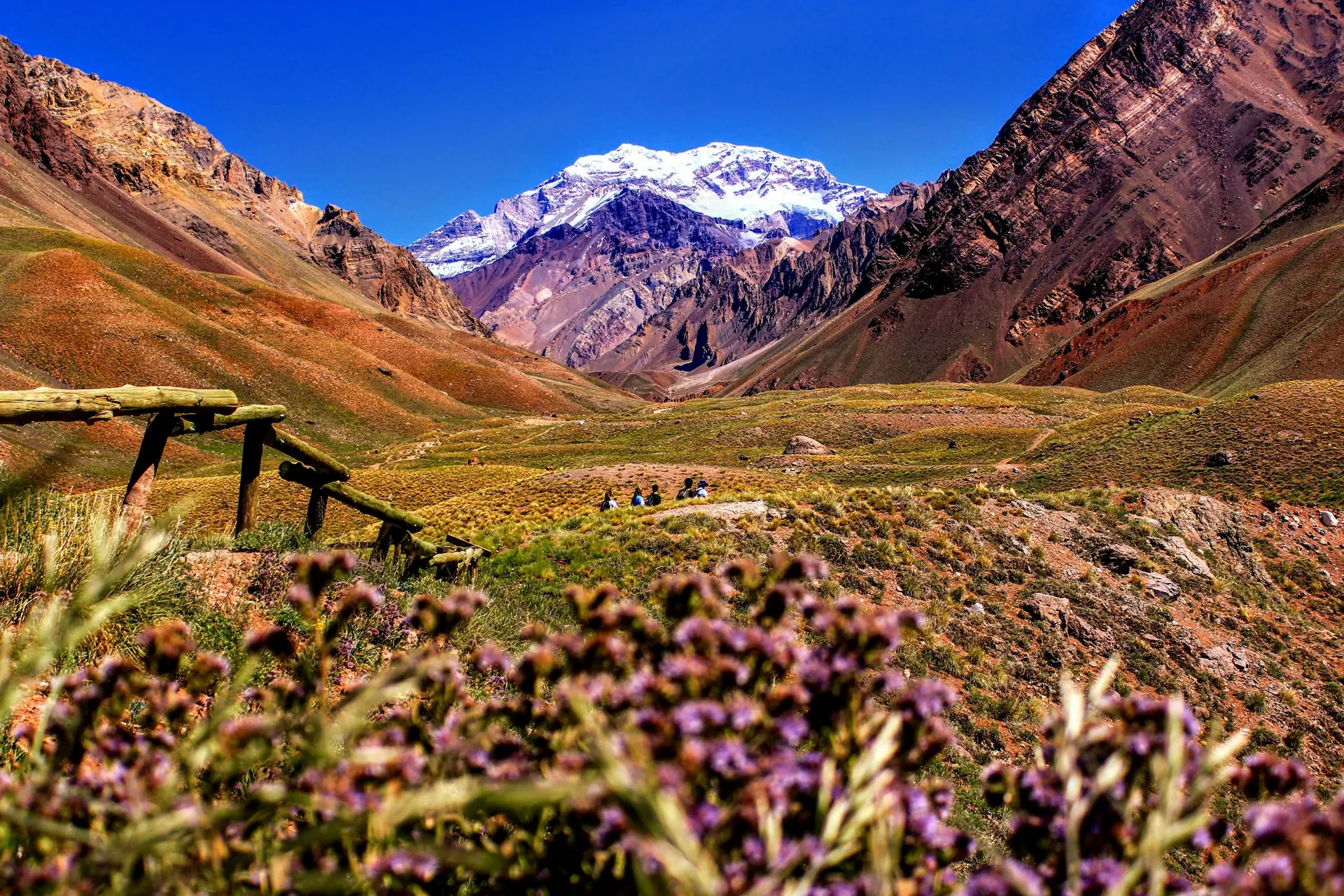
Horseback riding through the Andean precordillera is one of the most beautiful experiences available — trails through vineyards, olive groves, and high-altitude desert with the mountains as constant backdrop. The Mendoza River offers white-water rafting on Grade 3–4 rapids close to the city. The thermal springs at Cacheuta, set in a dramatic canyon carved by the Mendoza River, are ninety minutes from the city. Aconcagua — at 6,962 metres the highest mountain outside Asia — is visible from the city, and day trips to its base camp are available for those with the fitness.
Our wellness and nature experiences in Mendoza incorporate the outdoor activities alongside the wine country.
Combining Mendoza with Buenos Aires and Patagonia
Mendoza occupies a pivotal position in most Argentina itineraries. A two-hour flight from Buenos Aires delivers you from the most sophisticated city in South America into a wine country that feels like a different country. It pairs naturally with Bariloche — both are in the Andean zone — and the Wine, Lakes & Mountains journey connects them in a single eleven-night itinerary.
For those who want the full Argentina, The Grand Argentina includes Mendoza as part of a twenty-three-night journey through the northwest, Iguazú, the wine country, and the Patagonian south.
Begin planning your Mendoza visit with us and we will design the specific experience that suits you.
Related