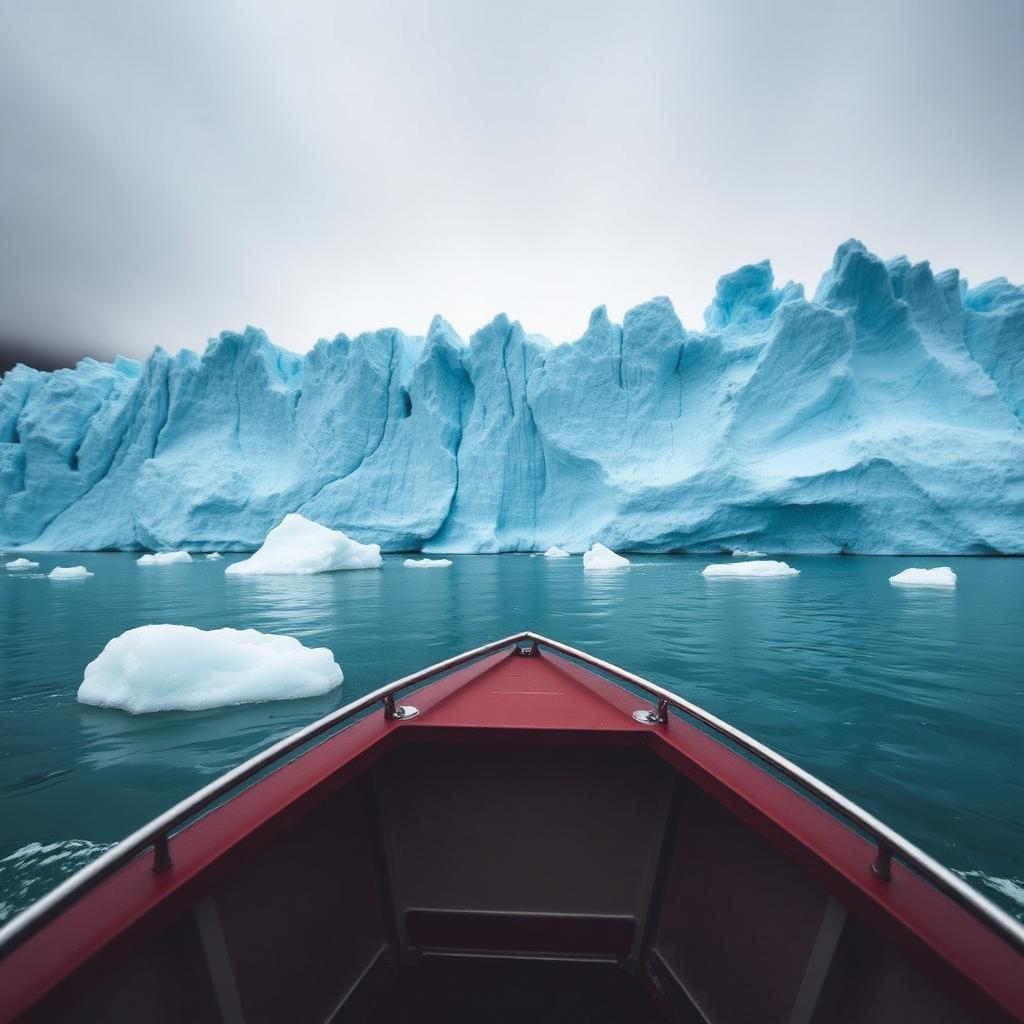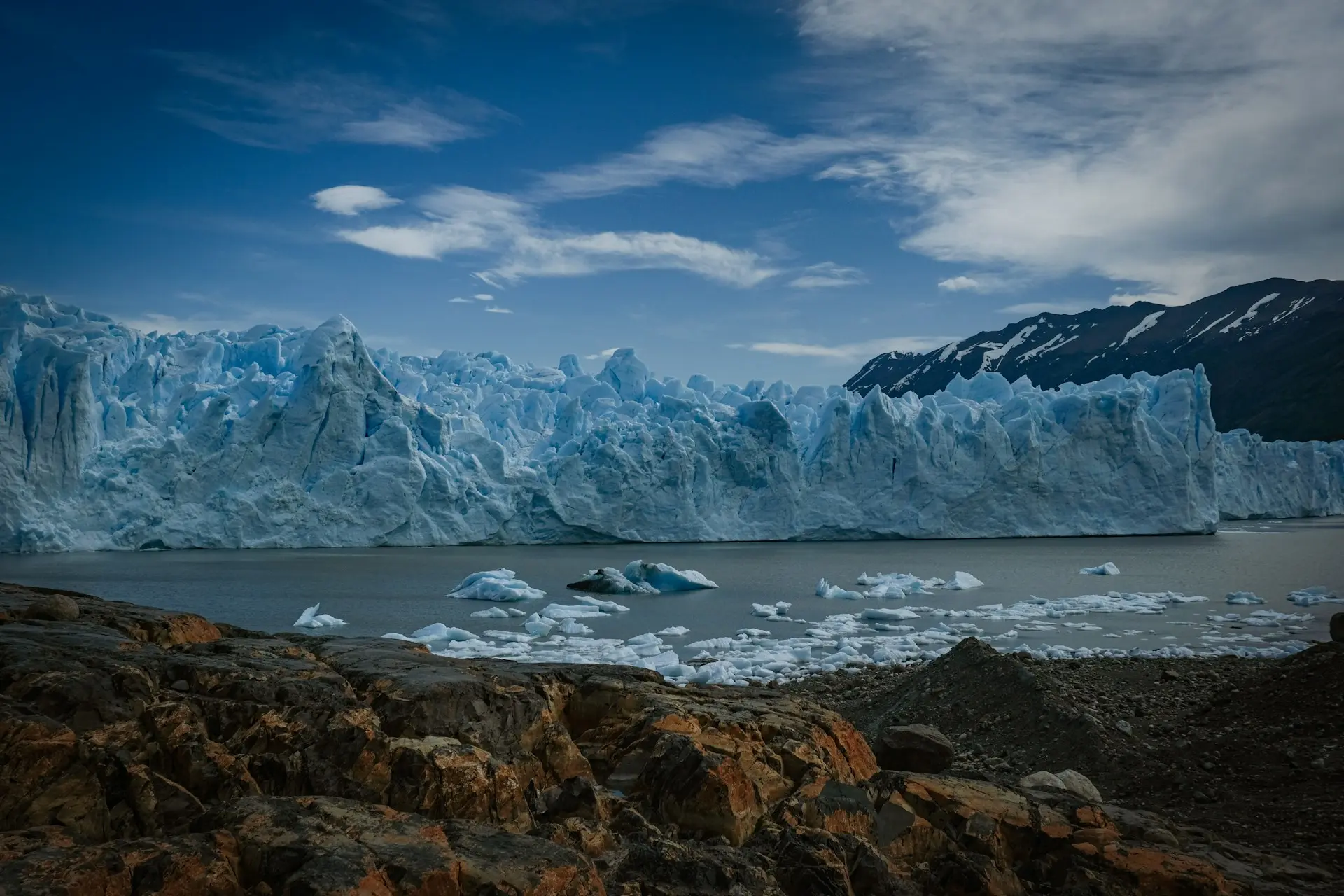
Patagonia is not a country, not a region with fixed borders, and not one thing. It is an idea as much as a place — a vast territory at the southern end of South America, shared between Argentina and Chile, covering an area roughly the size of Texas and California combined. It contains desert and forest, glaciers and granite peaks, fjords and steppe, penguin colonies and condors, remote estancias and wilderness lodges reachable only by boat. Planning a Patagonia journey requires deciding which Patagonia you are going to.
Argentine Patagonia vs Chilean Patagonia
The most important decision in planning a Patagonia journey is whether you are visiting Argentina, Chile, or both. The answer changes the destinations, the itinerary structure, and the nature of the experience.
Argentine Patagonia is centred on El Calafate (gateway to Perito Moreno and Los Glaciares National Park), El Chaltén (gateway to Fitz Roy and the trekking circuits), Bariloche (the Andean lake district), and Ushuaia (the world's southernmost city, gateway to the Beagle Channel and Tierra del Fuego). Argentine Patagonia is generally more accessible, more infrastructure-rich, and more suitable for first-time visitors to the region.
Chilean Patagonia is centred on Torres del Paine National Park — home to the iconic granite towers that have become the visual symbol of Patagonia worldwide — and the fjords of Carretera Austral. Chilean Patagonia is wilder, less developed, and for many travellers more challenging and more rewarding.
The Argentina & Chile journey we design crosses both via the legendary Cruce Andino — a lake crossing through the Andes that has been made by adventurous travellers since the early twentieth century. For those who want both countries, this is the itinerary.
The Essential Argentine Patagonian Destinations
El Calafate is the gateway to the Perito Moreno Glacier — one of the world's great natural experiences — and to the wider Los Glaciares National Park. Three to four nights here is the right amount of time for the glacier ice trek, a boat excursion to the calving face, and an estancia day in the surrounding steppe. The El Calafate destination page covers the glacier visit in detail.
El Chaltén is a small mountain village three hours north of El Calafate, in the shadow of the granite towers of Fitz Roy. It is the trekking capital of Argentina — trails leave directly from the village, no transportation required — and the setting is extraordinary. The Laguna de los Tres circuit, which arrives at a glacial lake with Fitz Roy reflected in it, is the finest day hike in Argentina. Two nights here is the minimum; three gives you a rest day for weather variation.
Bariloche is the northernmost of the Patagonian destinations and the most accessible from Buenos Aires. The Bariloche lake district — Nahuel Huapi and the surrounding national park — offers extraordinary trekking, kayaking, and boat crossings in summer, and the largest ski resort in South America (Cerro Catedral) in winter. It is also the destination for the Cruce Andino crossing into Chile.
Ushuaia is the southernmost city in the world, and it has a mythological quality that no other destination in Argentina possesses. The Beagle Channel, the mountains of Tierra del Fuego, the Antarctic departure point — Ushuaia rewards travellers who arrive ready to be affected by the sense of being at the absolute edge of the inhabited world.
Getting Around Patagonia
Internal flights are essential. The distances between Patagonian destinations are vast — El Calafate to Ushuaia is a two-hour flight; the road is not practical for most itineraries. Aerolíneas Argentinas connects Buenos Aires to El Calafate (FTE), Bariloche (BRC), and Ushuaia (USH) directly. Connections between Patagonian destinations sometimes route through Buenos Aires.
Private transfers between the airport and your accommodation are important throughout Patagonia — public transport exists but is limited, and the logistics of managing luggage and timing in remote destinations benefit from advance arrangement.
What to Pack for Patagonia
Patagonia's weather is famously unpredictable — the local saying is that you can experience four seasons in a single day. The layering system is the only answer: a thermal base layer, an insulating mid-layer (fleece or down), and a waterproof and windproof outer shell. This combination handles everything from warm Bariloche summer days to Ushuaia channel wind.
Quality waterproof hiking boots with ankle support are essential if you plan to trek. A sun hat and sunscreen are counterintuitive but important — the UV intensity at southern latitudes is significant, and the clean Patagonian air offers less protection than travellers expect.
Wildlife in Patagonia
Patagonia is one of the world's great wildlife destinations, but understanding the seasonal calendar is essential for seeing the right things at the right time. Our wildlife encounters experiences are designed around the specific windows when each species is most accessible.
Southern right whales at Peninsula Valdés are present June through December. Magellanic penguins are at Punta Tombo October through March. Orcas hunt sea lions at Punta Norte in March and April. Andean condors are year-round but most reliably seen in summer when thermals are strongest. Our Wildlife & The Atlantic Coast journey is designed specifically around the Patagonian wildlife calendar.
How Much Time to Spend in Patagonia
The most common mistake is trying to cover too much Patagonia in too little time. The distances are vast, the weather can delay activities, and the experiences reward those who stay long enough to let a place reveal itself.
Our minimum recommendation for a meaningful Patagonia experience is seven nights — enough for El Calafate (three nights) and either El Chaltén (two nights) or Ushuaia (three nights). Ten nights covers all three comfortably and is the basis of The Wild South journey. For the full Argentine Patagonia including Bariloche, fourteen nights across all four destinations is the right target.
Related